

Experts Warn of Hantavirus Risks in U.S. Homes After Cruise Ship Outbreak

Health experts are investigating whether Americans might encounter hantavirus in everyday settings without knowing it, following an outbreak of the rare Andes strain on the MV Hondius cruise ship during an Atlantic crossing.
The Andes strain, tied to the MV Hondius incident, is the only known hantavirus that spreads from person to person, typically through extended close contact with an infected individual.
Most U.S. hantavirus cases appear in the desert southwest and on the west coast, said Dr. Linda Yancey, an infectious disease specialist at Memorial Hermann in the Houston area.
"In Texas, cases are mostly seen on the west side of the state," she told Fox News Digital. "The strain of hantavirus native to east Texas and west Louisiana, the Bayou strain, is not as infectious in humans as the western strain, the Sin Nombre strain."
Hantavirus spreads mainly through contact with infected rodents, chiefly deer mice, and their urine, droppings or saliva, according to the Centers for Disease Control and Prevention.
Infection happens after inhaling contaminated airborne particles or touching tainted surfaces and then the nose or mouth. Rodent bites transmit it more rarely.
Exposure risks rise when cleaning enclosed or poorly ventilated spaces where rodents nest undetected for weeks or months, health officials note.
Such spots include garages, sheds, cabins, attics, barns and crawl spaces, along with storage units, stables, kitchen cabinets and areas behind appliances if rodents are there.
Rodents also nest in unused cars, RVs, campers and boats, creating hazards when people reopen them.
The National Park Service reports that most human cases strike in spring and link to buildings overrun by rodents over winter.
"Most people are exposed when cleaning out sheds and garages where rodents have been living," Yancey confirmed. "You can be exposed by just the dust and droppings left behind by rodents – you don't even need to see the rodent to be exposed."
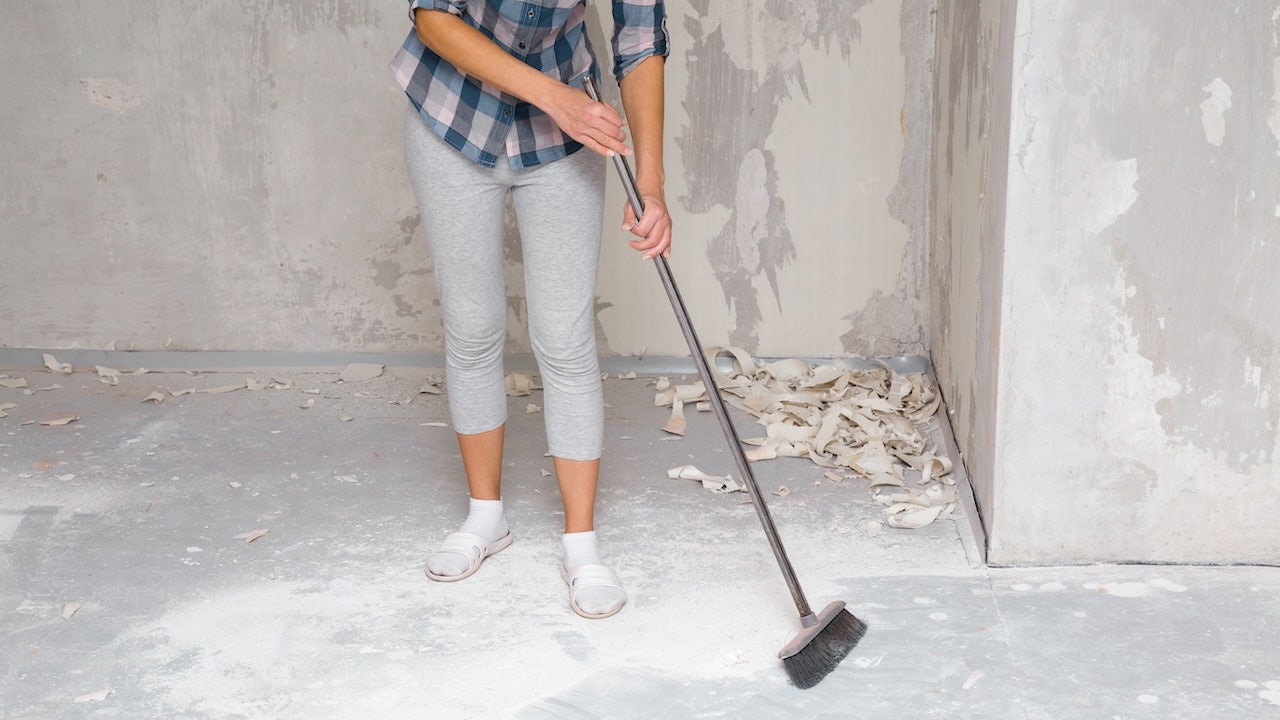
Inhalation risks grow when opening long-unused buildings, sweeping dusty floors or shifting boxes, experts warn.
Rodent contact extends beyond structures. Health officials say risks arise from handling firewood, working in rodent-heavy outdoor spots or disturbing nests and burrows.
To avoid infection while cleaning potentially rodent-infested areas, Yancey advises wearing a mask and using diluted bleach solution to wet dust and debris.
"This will help kill the exposed virus and reduce the amount of infectious dust," Yancey said.
The CDC warns against vacuuming or sweeping rodent urine, droppings or nests, which aerosolizes the virus.
Instead, officials recommend gloves, soaking droppings in disinfectant, wiping with paper towels, proper waste disposal, surface cleaning and handwashing.
Signs of rodents include droppings, shredded nests, gnaw marks, musky smells and wall or ceiling scratches, per public health advice.
Dr. Marc Siegel, Fox News senior medical analyst, said hantavirus rarely affects most Americans and appears more often in parts of Europe and Asia.
"It is very rare in the U.S. and is seen out west, but rarely," he told Fox News Digital. "We need to avoid overpersonalizing the risk of a very rare virus."
What's Your Reaction?
 Like
0
Like
0
 Dislike
0
Dislike
0
 Love
0
Love
0
 Funny
0
Funny
0
 Wow
0
Wow
0
 Sad
0
Sad
0
 Angry
0
Angry
0










Comments (0)