

China-Iran Rail Corridor Grows, Evading US Maritime Pressure on Tehran

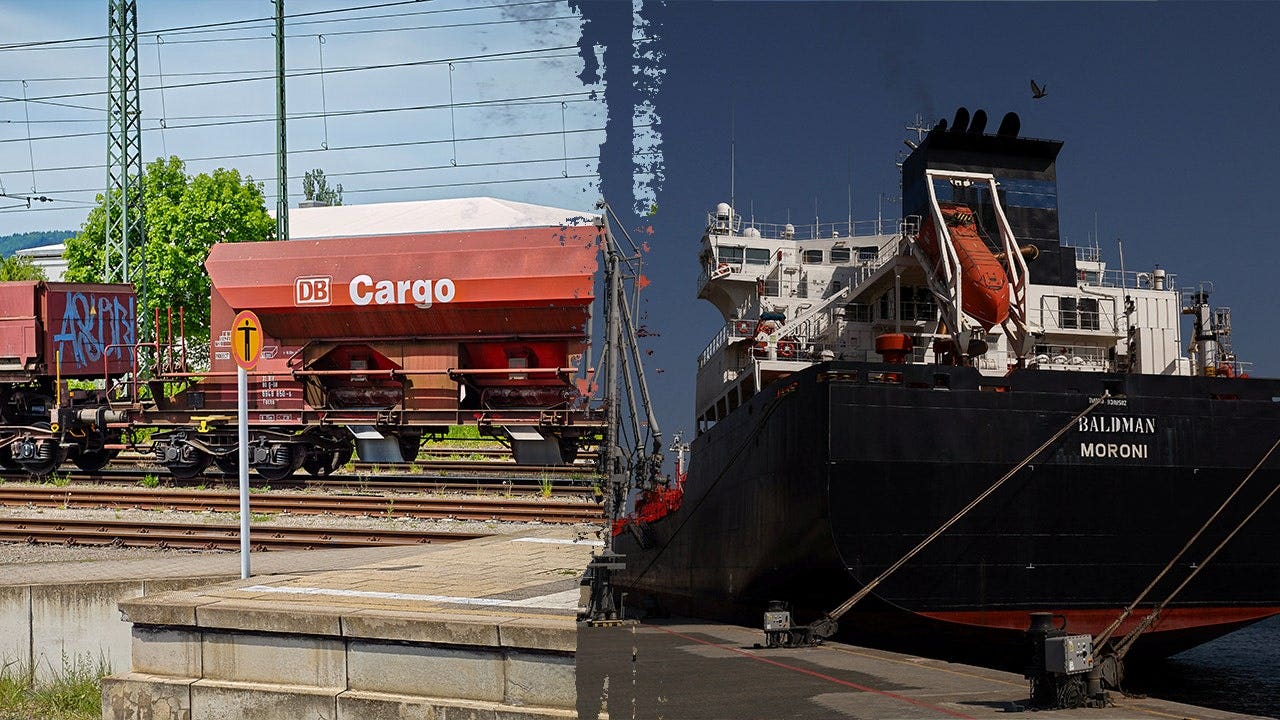
The United States aims to squeeze Iran's economy through sea blockades, but a China-linked rail corridor provides Tehran an overland bypass that Washington cannot readily close off without sparking broader conflict.
Freight traffic between China and Iran along this route has surged. Cargo trains from central China to Iran now operate one every three or four days, compared to roughly one per week before the blockade, Bloomberg reports. The increase highlights an alternative path as Tehran seeks to counter maritime restrictions.
The corridor passes through several sovereign nations, including Kazakhstan and Turkmenistan. That path makes it much harder to interrupt than shipping lanes in the Persian Gulf.
Direct action against the network would risk escalating tensions with Beijing. China has invested years in trade routes to avoid U.S. Navy-dominated sea chokepoints.
Geography, diplomacy and escalation dangers explain Washington's heavy focus on sea interdictions over blocking land routes.
Experts note the rail line cannot replace Iran's primary oil exports. "There’s no substitute for a very large crude carrier," said Isaac Kardon, a senior fellow on Chinese strategy and maritime security, in comments to Fox News Digital.
Kardon estimated that perhaps 1 percent of Iran's typical exports through the Strait of Hormuz could move by land.
Max Meizlish, a former Treasury official on sanctions policy, called the corridor "a drop in the bucket compared to Iran’s traditional oil exports over maritime transit routes."
Analysts point to strategic risks despite the route's small scale. Meizlish said it offers China a way to send Iran critical dual-use goods or military logistical support outside U.S. naval reach.
Kardon raised similar issues, such as shipments of drone parts and missile precursor chemicals.
The corridor still falls short for major economic or military needs, Kardon said. "It’s a flow question," he added. "Can you sustain the Iranian war-fighting effort solely with cargoes from China or from its other Eurasian neighbors? And I think the answer is really no."
The rail link does not serve as an economic lifeline for Iran. It does signal China's push to build trade networks that counter U.S. sea power and challenge the extent of Washington's enforcement.
The White House and Pentagon did not respond to requests for comment.
What's Your Reaction?
 Like
0
Like
0
 Dislike
0
Dislike
0
 Love
0
Love
0
 Funny
0
Funny
0
 Wow
0
Wow
0
 Sad
0
Sad
0
 Angry
0
Angry
0










Comments (0)