

Ceasefire Talks Stall as Israel Kills Hamas Leader's Son, Prepares Gaza Offensive

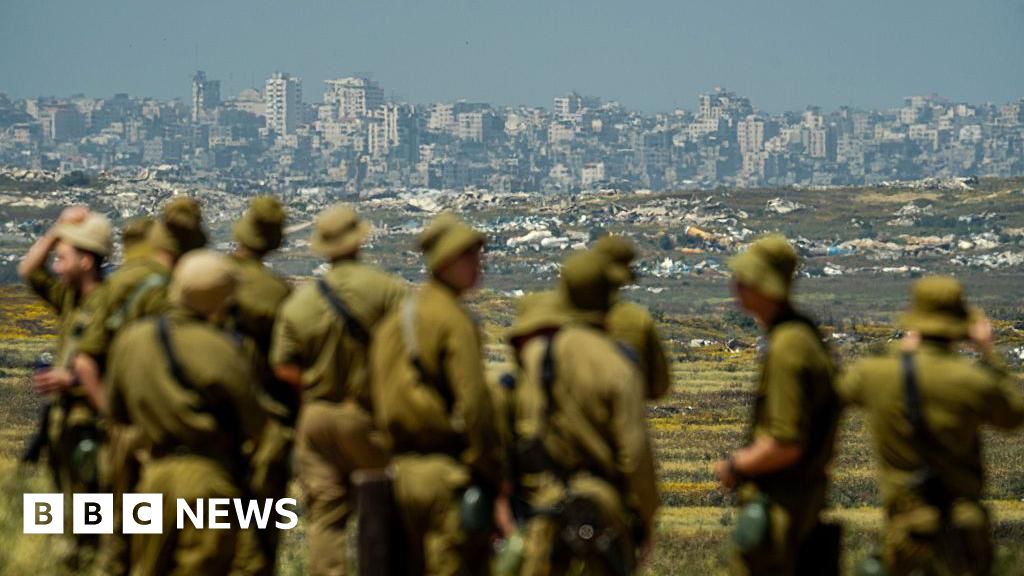
Ceasefire talks between Israel and Hamas have stalled, raising fears of renewed war in Gaza.
An Israeli airstrike this week killed Azzam al-Hayya, son of Hamas leader and chief negotiator Khalil al-Hayya. Palestinian sources told the BBC the two sides reached a deadlock in negotiations. Israeli media report Israel is preparing to resume fighting in the Gaza Strip due to the impasse and Hamas's refusal to disarm.
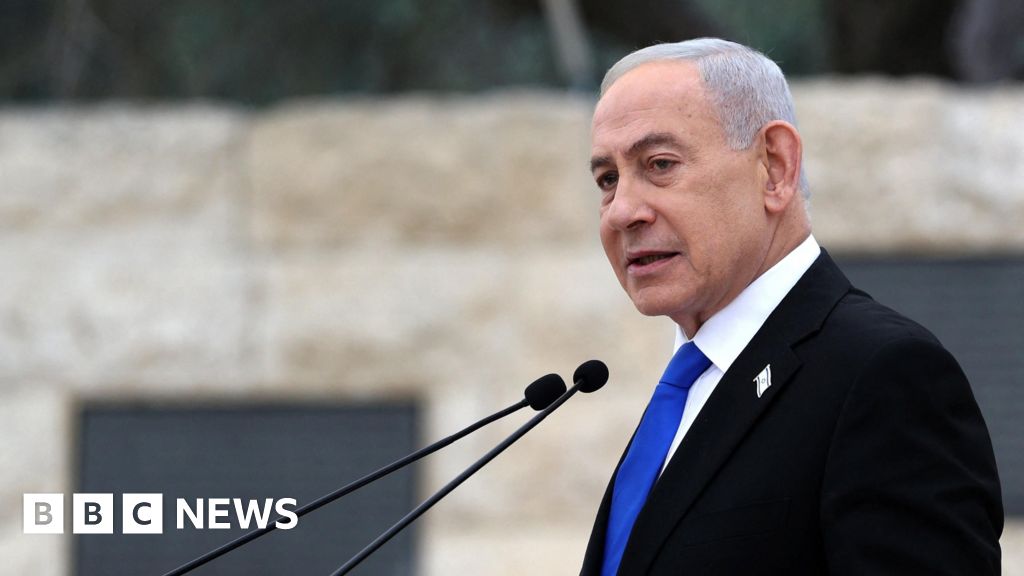
"We understood, everyone understood that Hamas would not disarm, and they have followed through on their intentions," Michael Eisenberg, an adviser to the Israeli prime minister, told the BBC. He called Hamas "an unrepentant terrorist group." "Nobody in Israel wants to go back to war," he said, but added "all options are on the table right now."
Israel's Channel 12 News, citing unnamed security sources, reported Washington may give Israel a green light to resume operations. One option under consideration is expanding the "Yellow Line," which marks about 60% of Gaza under full Israeli military control during the ceasefire. Locals say this expansion is already under way.
Israel says Hamas breached the ceasefire agreement, effective since Oct. 10, by refusing to disarm. Hamas counters that Israel violated the deal by failing humanitarian commitments and launching deadly attacks.
On Wednesday, Hamas urged the U.S. administration and guarantor states of the Sharm el-Sheikh agreement to act immediately against Israel's aggression on Gaza civilians.
The strikes killed at least six people, including a Hamas commander and Azzam al-Hayya. The Hamas-run health ministry reports 846 deaths in Gaza since the ceasefire began, many women and children. Israel says five soldiers died in the period.
Gaza's humanitarian crisis persists, with most of its more than two million residents displaced. Locals fear full-scale war could return.
"Honestly, I say enough war. We hope that the war doesn't resume. There are still attacks until now," said Samah, a displaced mother in Gaza City. "We tell Hamas to consider handing over its weapons because there have been enough martyrs and there's been enough of the siege. Let people live. We are exhausted."
Her neighbor, Abu Firas al-Jidi, accused Israel of intransigence. He warned of serious risk that Gaza could slide back into fighting while the world focuses on wars in Iran and Lebanon.
Two Palestinian officials familiar with recent Cairo talks between Hamas and the U.S.-led Board of Peace confirmed the deadlock to the BBC. Israel demands moving to phase two of President Trump's 20-point plan, focused on disarmament, before finishing phase one obligations.
Hamas demands an end to Israeli shelling, incursions and operations, plus more aid, temporary housing, heavy equipment for rubble clearance, and increased exits via Egypt's Rafah Crossing for patients and travelers. Israel restricts goods for security reasons.
Hamas refers to the Sharm el-Sheikh document it signed with Israel in October, covering ceasefire stage one. Israel follows Trump's 20-point plan, endorsed by UN Security Council resolution. Hamas has engaged but not fully accepted it.
"There is no phase one and phase two, that is an invention of Hamas," Eisenberg said. He added Israel exceeds aid commitments and that Hamas must disarm, demilitarize and deradicalize per the plan.
In March, High Representative for Gaza Nickolay Mladenov outlined a decommissioning plan for Palestinian armed groups, starting with rockets, explosives and assault rifles. He tied it to Israeli withdrawal and reconstruction, warning refusal risks war.
This week, Mladenov told Israel's i24 news there is "no daylight" between the Board of Peace and Israel on security. Donors will not fund reconstruction without lasting peace.
"The Board of Peace has significant commitments in terms of financing from the Gulf countries but only once conditions in Gaza are such that there will be no return to war - that includes decommissioning of weapons in Gaza," Mladenov said.
Hamas welcomed a new 15-member Palestinian technocratic committee and pledged to hand over governance. But it is reasserting authority, imposing taxes on traders and reactivating its police.
Trump's plan calls for an international stabilization force with a new Palestinian police force. Hamas, which led the October 2023 attack and hostage-taking in Israel that started the war, should have no governance role.
What's Your Reaction?
 Like
0
Like
0
 Dislike
0
Dislike
0
 Love
0
Love
0
 Funny
0
Funny
0
 Wow
0
Wow
0
 Sad
0
Sad
0
 Angry
0
Angry
0



Comments (0)