

BBC Traces UK Anti-Immigration Social Media Accounts to Sri Lanka, Vietnam

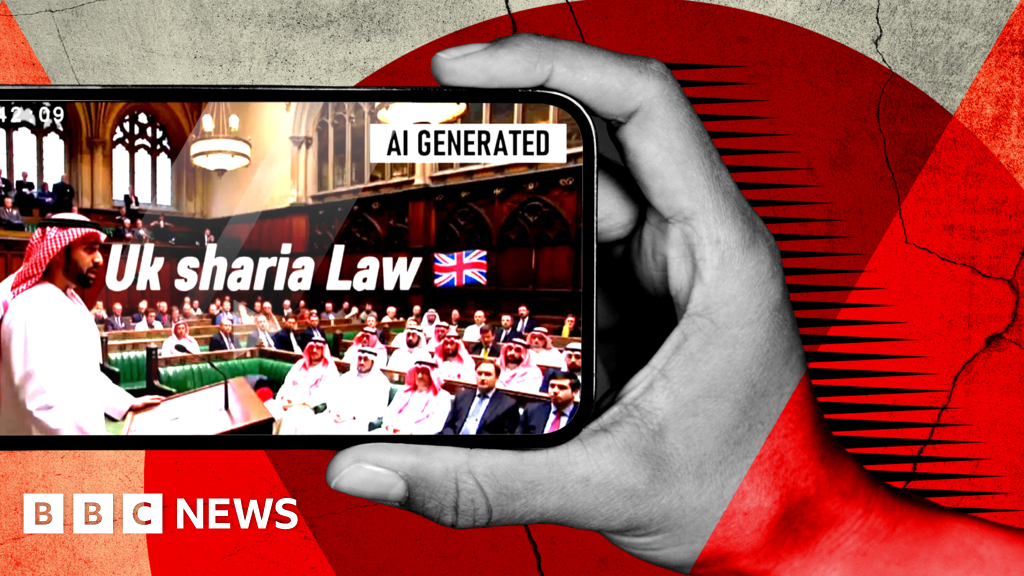
Anti-immigration social media accounts targeting the UK originate from Sri Lanka, Vietnam and other far-off locations, a BBC Panorama investigation has found.
The "Great British People" Facebook page, which claims roots in Yorkshire, drew 1.3 million views for a recent video of an elderly white British man crying over his pension. Other clips feature reporters discussing "the overwhelming scale of mass immigration" and asking if viewers miss "the Britain we used to know." But the account is run from Sri Lanka.
BBC Panorama and the Top Comment podcast identified dozens of linked Facebook and Instagram pages that produce and share AI-generated anti-immigration posts for large UK audiences. Creators often sit hundreds or thousands of miles away, including in Sri Lanka, the US, Europe, Vietnam, the Maldives, or with ties to Iran and the UAE. Details come from Facebook's transparency tools, creator interviews and social media clues like spelling errors and followed accounts.
One expert told the BBC that studies show people struggle more than they realize to spot AI fakes, and exposure to such content erodes trust in real material.
London Mayor Sadiq Khan, who ordered research on AI images depicting a declining capital, said some account operators chase money while others receive support from hostile states like Russia and Iran. Direct state links are hard to confirm, but some pages post favorably about those governments. Account owners ignored BBC outreach.
Several pages shifted from "Make America Great Again" or "Life in the USA" topics to AI-driven anti-immigration material to boost engagement. A few have tested pro-migrant content.
Prof. Sander van der Linden, a social psychologist at the University of Cambridge, called these "a new evolution of influence operations." He noted it's cheap for overseas operators to buy UK-set-up accounts and pose as locals.
The pages rack up hundreds of thousands of views with fake AI videos, like the House of Commons packed with men in Arab dress imposing Sharia law, or women in hijabs saying the UK should turn more Islamic.
Content paints contradictory pictures of UK decline tied to Muslim immigration, while some clips from the same creators idealize Islamic nations.
BBC spoke to two people behind an account with over 20 million views. It shows AI videos from a first-person view walking through British cities in 2050: Liverpool, London, Birmingham and other English spots appear filthy with rubbish, fires, chaos, people in Islamic dress and hijabs, halal stalls and Arabic-script bunting. Foreign cities like New York, Washington DC and European capitals get similar treatment.
Questioned on divisiveness, the creators said: "Our content has a clear purpose: we aim to inform people and voters about what we believe could happen in the coming decades if current social and cultural trends continue." They operate from a European country gripped by rising insecurity, distant from the cities they depict. Iran appears idealized to spark debate on political and cultural shifts. They denied chasing engagement money, said they avoid monetization and named no supportive politicians despite claiming contacts.
City Hall research noted a two-year surge in such posts, citing state actors including Russia and China, US MAGA extremists, plus profit-seekers. "You've got state actors," Khan told the BBC. "Secondly, we've seen individuals and companies trying to monetise and make profit from division."
He said the city has challenges but these "AI-generated lies" scare off visitors, students and investors. "My anxiety is, decent people start believing these lies, this dystopian image of London being in decline, that we're a dangerous city, that there is no law and order."
Social media firms must tweak algorithms against division, label AI content and act faster, Khan said.
Meta, owner of Facebook and Instagram, said it treats coordinated inauthentic behavior seriously with global teams on detection. "We will take action on any content or accounts which violate our Community Standards, which apply to all content, regardless of whether it is created by AI or by a person," a spokesperson said.
Operators of linked accounts confirmed profit motives. One said: "I mostly post to get a reaction for the sake of engagement which boosts my followers and money," earning via Instagram ads. Another coordinates with like-minded pages for maximum attention, not politics.
Some UK-based accounts join in, like a West Midlands profile on restoring Britain's greatness. Its owner uses an Instagram group chat with pages from India, Pakistan, Singapore, Australia and New Zealand to align posts.
Prof. van der Linden described a rising "disinformation-for-hire industry" with paid actors posing as citizens, using AI and bots for agendas. Prof. Yvonne McDermott Rees of Queen's University Belfast put public deepfake detection at 55% accuracy, with overconfidence common.
Video comments show some buy in: one woman urged "keep going," another said "Never Back Down. Stand Up and Do What You Have to Do" under a fake "Stop the Boats" protest clip. "It shouldn't fall on just the ordinary person to have to try and figure out what's real and what isn't."
But Prof. van der Linden noted many share resonant fakes regardless of origin to signal worldview alignment. One "Great British People" commenter wrote: "It's probably AI but the fact is that he is right about everything."
What's Your Reaction?
 Like
0
Like
0
 Dislike
0
Dislike
0
 Love
0
Love
0
 Funny
0
Funny
0
 Wow
0
Wow
0
 Sad
0
Sad
0
 Angry
0
Angry
0




Comments (0)