

WHO Suspects Rare Human-to-Human Hantavirus Spread on Dutch Cruise Ship After 3 Deaths

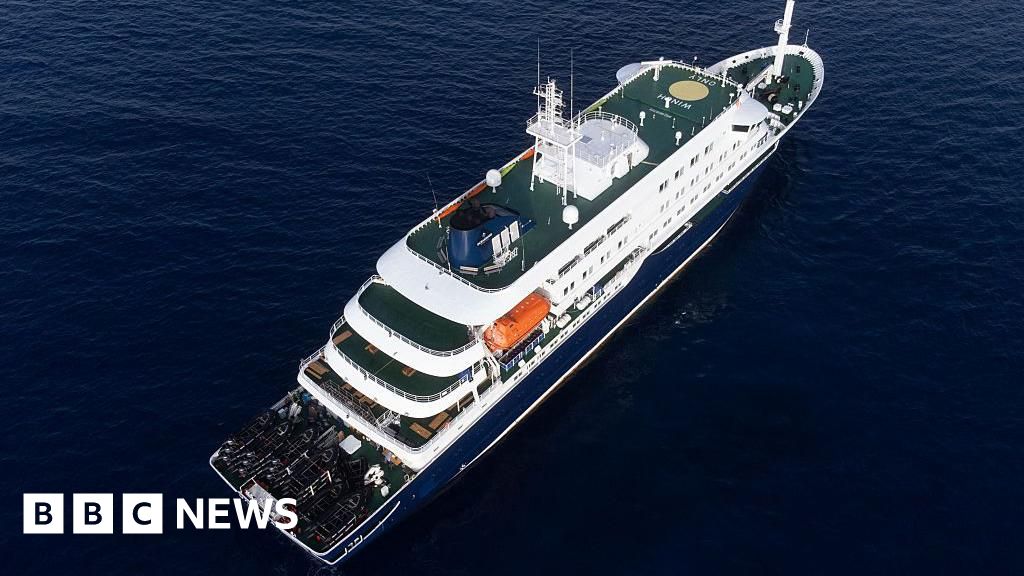
The World Health Organization believes human-to-human transmission of hantavirus may have occurred on the Dutch cruise ship MV Hondius, where three passengers have died.
The virus typically spreads from rodents, but WHO officials said close contacts aboard the vessel could have spread it in this case. Such transmission remains rare, and the risk to the public stays low.
"Some people on the ship were couples, they were sharing rooms, so that's quite intimate contact," WHO official Dr. Maria Van Kerkhove said.
Van Kerkhove said the first person to fall ill likely contracted the virus before boarding. Two of the deceased were a Dutch married couple; tests confirmed the virus in the wife. A 69-year-old British passenger, evacuated to South Africa for treatment, also tested positive.
Hantavirus has not been confirmed in the Dutch husband or the third deceased passenger, a German national who died on May 2.
The MV Hondius left Argentina about a month ago for an Atlantic crossing. It now anchors near Cape Verde, off Africa's west coast.
Investigators assume the Andes strain, common in South America where the cruise began, infected the two confirmed cases. Van Kerkhove said the ship had no rats aboard.
Disinfection continues on the vessel. Those with symptoms or caring for patients wear full personal protective equipment.
"Our working hypothesis is that there's probably a couple of different types of transmission that might be happening," Van Kerkhove told BBC Breakfast on Tuesday.
She noted the cruise visited islands with rodents, which spread the virus through feces, saliva or urine.
WHO's top priority is treating two crew members, one Dutch and one British, with respiratory symptoms. They will fly to the Netherlands for care, along with a person associated with the German who died, according to operator Oceanwide Expeditions.
Some 149 people from 23 countries remain aboard under strict precautionary measures, Oceanwide said. The ship planned to dock in Cape Verde on Tuesday, but authorities barred disembarkation for safety.
WHO says Spain has approved docking in the Canary Islands for risk assessment and monitoring. Spain's health ministry, however, downplayed the idea.
"Depending on epidemiological data gathered from the boat as it travels past Cape Verde, the most appropriate next stop for it will be decided," the ministry said in a statement. "Until then, the health ministry will not take a decision, as we have explained to the WHO."
A ministry spokesman told the BBC that Spain had not yet received a request to stop at the Canaries.
What's Your Reaction?
 Like
0
Like
0
 Dislike
0
Dislike
0
 Love
0
Love
0
 Funny
0
Funny
0
 Wow
0
Wow
0
 Sad
0
Sad
0
 Angry
0
Angry
0










Comments (0)