

Waymo Recalls 3,791 Robotaxis After Flood Failure on High-Speed Road

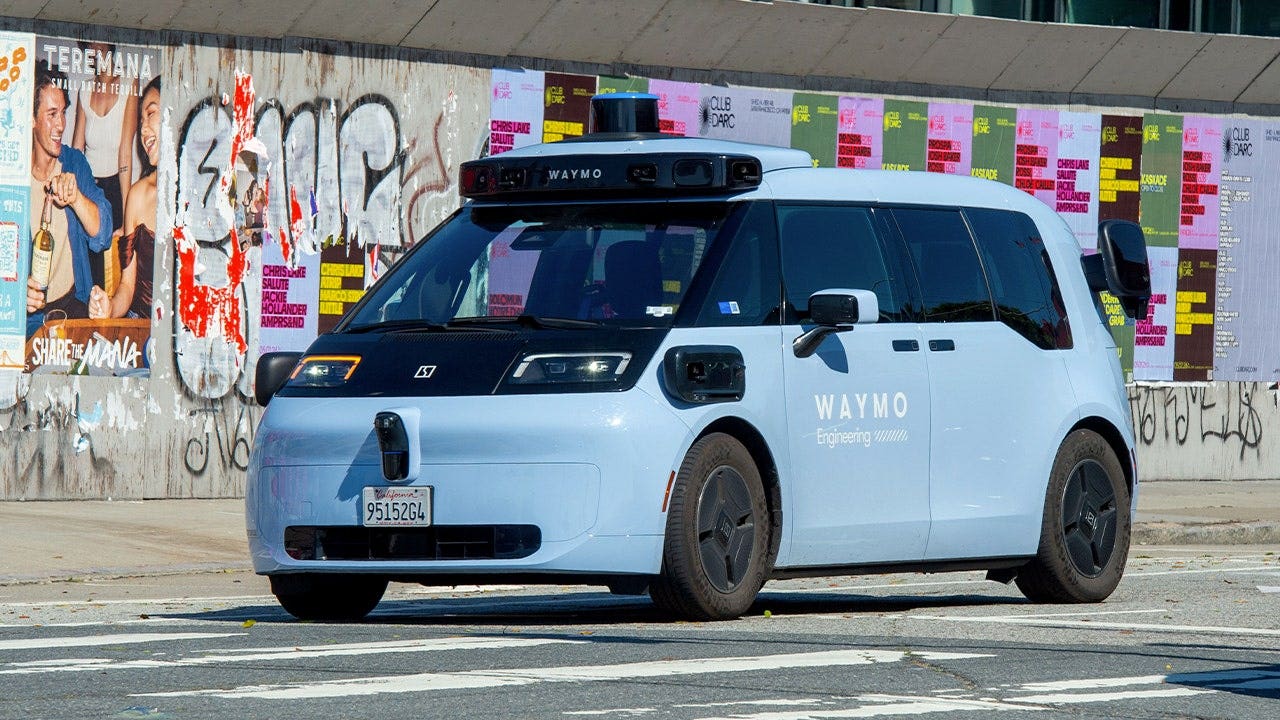
Autonomous vehicle company Waymo recalled 3,791 vehicles after one of its robotaxis failed to stop completely upon encountering flood conditions on a high-speed roadway, the National Highway Traffic Safety Administration said.
The agency acknowledged the recall on May 11. It involved certain fifth- and sixth-generation Automated Driving Systems, where software allowed vehicles to slow and then drive into standing water on higher-speed roadways. Robotaxis entering flooded roads could lose control, raising crash and injury risks.
Waymo provides over half a million trips each week in challenging U.S. driving environments, a spokesperson told Fox News Digital. "Safety is our primary priority. We have identified an area of improvement regarding untraversable flooded lanes specific to higher-speed roadways, and have made the decision to file a voluntary software recall with NHTSA related to this scenario."
"We are working to implement additional software safeguards and have put mitigations in place, including refining our extreme weather operations during periods of intense rain, limiting access to areas where flash flooding might occur."
Last month, Waymo suspended operations in San Antonio after an unoccupied vehicle entered a flooded roadway and was swept away, according to KTBC citing a company spokesperson.
A source close to the Trump administration told Fox News Digital the incidents show Waymo testing in real-life situations at the expense of American lives. "They're testing these in real-life situations, and they're also putting American lives at risk. When you're talking about pedestrians, when you're talking about these flood issues, you know, if you're in one of these Waymos, you're totally dependent on whatever AI program that they've instituted to be able to navigate you safely out of there."
"They don't know how to deal with these situations, they haven't been programmed for it, they haven't been tested for it and they're doing real life experimentation on the streets of America."
As an interim fix, Waymo updated vehicle operations with weather-related constraints and map changes. All thousands of its U.S. vehicles received the update by April 20, NHTSA said.
The source raised national security concerns beyond physical risks. Waymo's Ojai vehicles come from Chinese automaker Zeekr, with which Waymo partnered in 2021. A Zeekr-based robotaxi prototype appeared the next year, TechCrunch reported; it lacked a steering wheel, unlike the Ojai.
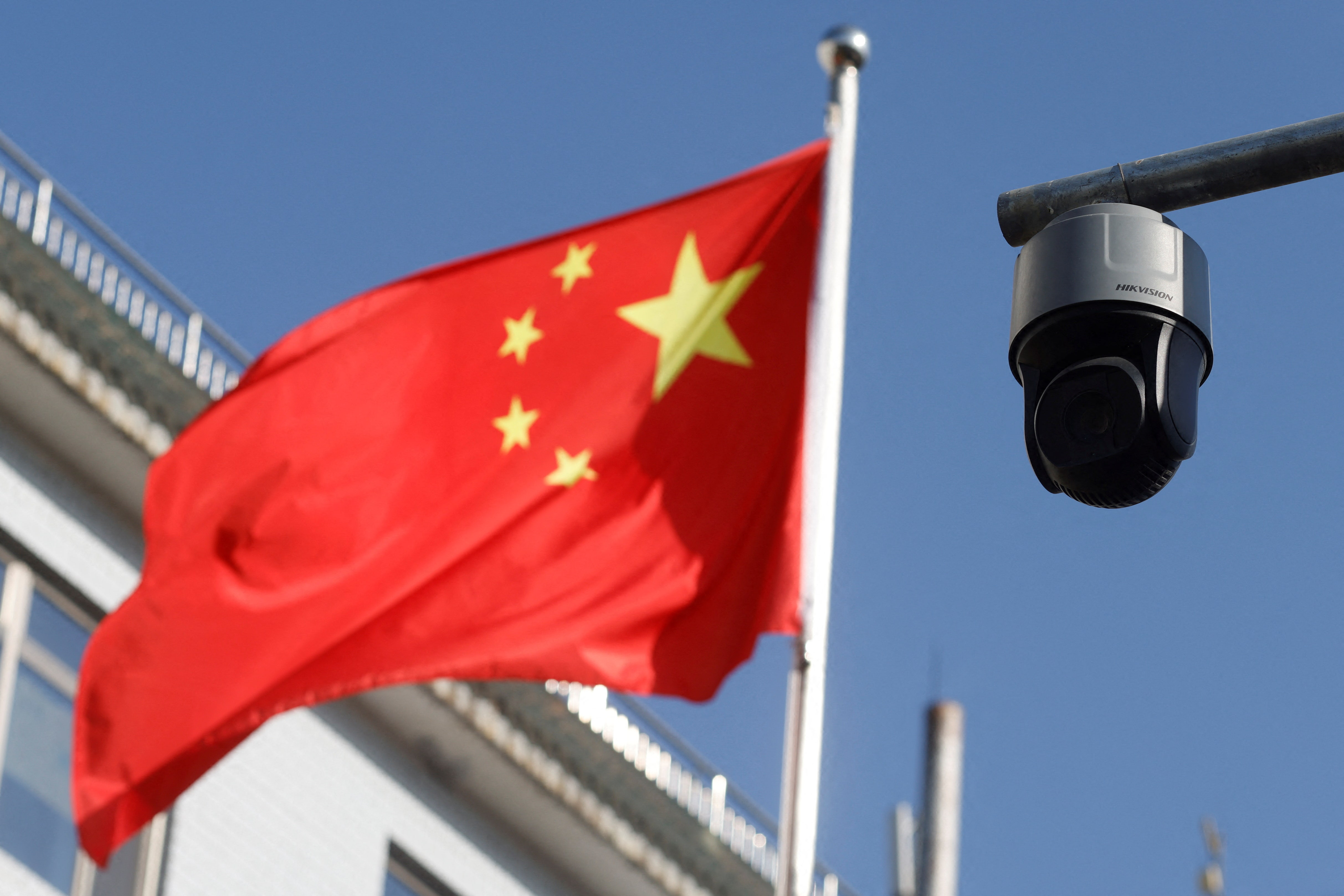
"There's no reason to not think that with these cars that are now being rushed to market in so many major American cities that the electronic components which all have cameras in them, they all have audio in them, they're all being recorded all the time, are not susceptible to foreign manipulation," the source said.
The Trump administration is aware of vulnerabilities to foreign spyware, the source added.
Waymo's spokesperson responded to questions on Zeekr ties: "The technology that collects data and makes our vehicles autonomous; the software, sensors, and computing systems; is developed and installed by Waymo in America."
"Waymo strongly supports the Department of Commerce’s BIS connected vehicle rule, which addresses national security risks from foreign AV technology, including both software and hardware. Waymo is committed to furthering our own – and America’s – leadership in the development and deployment of the critical automated driving technologies."
The scrutiny of Waymo's foreign ties grows as the Trump administration increases focus on China-linked technology and supply chains during President Donald Trump's trip to Beijing.
What's Your Reaction?
 Like
0
Like
0
 Dislike
0
Dislike
0
 Love
1
Love
1
 Funny
0
Funny
0
 Wow
0
Wow
0
 Sad
0
Sad
0
 Angry
0
Angry
0








Comments (0)