

US Drug Overdose Deaths Drop 14% to 70,000 in 2025

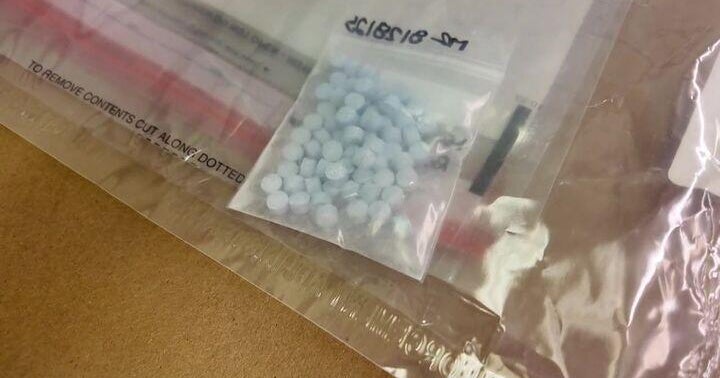
About 70,000 Americans died of drug overdoses last year, a 14% drop from the previous year, according to preliminary government data.
Federal data released Wednesday showed the third straight annual decline, the longest in decades. The 2025 total matches the 2019 figure from before the COVID-19 pandemic.
Overdose deaths decreased across drug types including fentanyl, cocaine and methamphetamine. The vast majority of states recorded drops, though seven states saw slight increases. Arizona, Colorado and New Mexico reported jumps of 10% or more, according to preliminary data from the Centers for Disease Control and Prevention.
"I'm cautiously optimistic that this represents really a fundamental change in the arc of the overdose crisis," said Brandon Marshall, a Brown University researcher who studies overdose trends.
The number remains high, and the decline slowed last year. Researchers including Marshall say deaths could rise again due to government policy changes or shifts in the drug supply.
"If deaths are going down rapidly, that means they can increase just as rapidly if we take our foot off the gas," Marshall said.
Overdose deaths had risen for decades but surged during the pandemic, peaking at nearly 110,000 in 2022. The spike tied to social isolation and problems accessing addiction treatment.
Deaths fell as the pandemic eased. Researchers cite factors such as wider availability of the overdose-reversing drug naloxone, expanded addiction treatment, changes in drug use patterns and billions of dollars from opioid lawsuit settlements.
Some studies indicate fewer people at risk of overdose, with fewer teens starting drugs and many users having died. Regulatory changes in China also cut supplies of precursor chemicals for fentanyl.
The overdose epidemic has varied by region, linked to local drug supplies and use patterns. Marshall speculated that higher deaths in Arizona, Colorado and New Mexico might relate to increased fentanyl-methamphetamine combinations there.
Health and law enforcement officials recently warned of newer drugs detected in 2025.
Alex Krotulski, director of the Center for Forensic Science Research and Education in Horsham, Pennsylvania, said his federally funded lab identified 27 new drugs last year. It has found 23 in less than five months of 2026.
One drug on the lab's watchlist is cychlorphine, a synthetic opioid up to 10 times stronger than fentanyl. Experts say drug sellers mix it into other illicit drugs without buyers' knowledge.
"The drug supply continues to change and evolve," Krotulski said.
Veterinary sedatives like xylazine and medetomidine have entered the supply. Less deadly than fentanyl, they slow breathing, cause blackouts and lead to side effects including severe, infected wounds from xylazine.
The Trump administration has cut programs to curb overdoses and drug-related infections. Last month, the Substance Abuse and Mental Health Services Administration told grant recipients it would stop funding test strips and kits to detect fentanyl and xylazine.
Shreeta Waldon, executive director of the Kentucky Harm Reduction Coalition, said her group lost a $400,000 grant used to distribute tens of thousands of fentanyl test strips.
"It doesn't make sense that one day something is an evidence-based protocol, and you decide, because of political climate, it is no longer evidence-based," Waldon said. "If they follow the science and the data, we would never move in this direction."
Officials say they are ending services that enable illicit drug use, such as clean syringe programs and hotlines for monitoring drug use to call emergency services during overdoses.
A nearly 200-page White House drug strategy proposes wastewater testing for real-time drug use detection and AI to find smuggled drugs or identify high-risk patients.
"We're still in the midst of the overdose crisis," Maritza Perez Medina, director of federal policy at the Drug Policy Alliance, told CBS News in May. "Federal funding cuts, coupled with taking away the real tools to help people ... could very well lead to more drug use harms, including overdose."
What's Your Reaction?
 Like
0
Like
0
 Dislike
0
Dislike
0
 Love
0
Love
0
 Funny
0
Funny
0
 Wow
0
Wow
0
 Sad
0
Sad
0
 Angry
0
Angry
0








Comments (0)