

U.S.-backed ARAM Express Plan Proposes Overland Pipelines to Bypass Strait of Hormuz

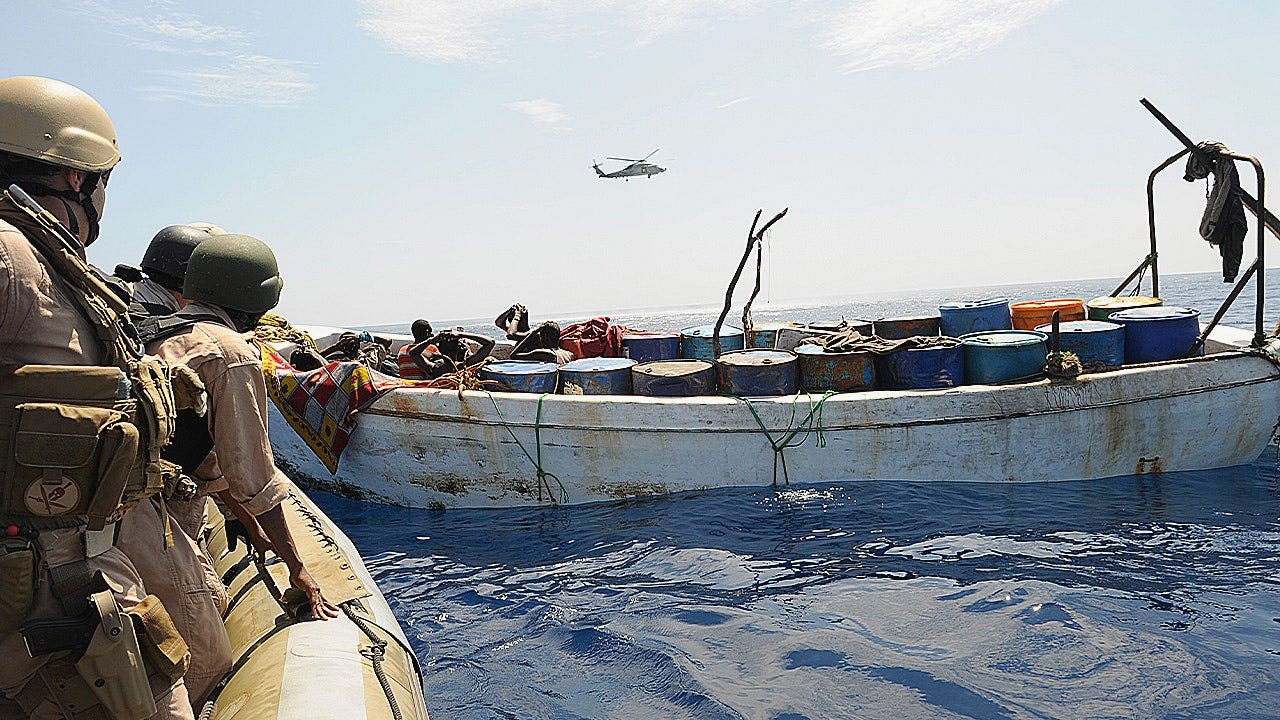
A new U.S.-backed proposal for overland energy pipelines to bypass the Strait of Hormuz is drawing interest as regional tensions expose risks to global energy supplies.
A policy memo reviewed by Fox News Digital details "ARAM Express," a plan from Richard Goldberg of the Foundation for Defense of Democracies for a U.S.-Gulf consortium to build multidirectional pipelines for oil, gas and petrochemicals. The network would run westward to the Red Sea and Mediterranean and south to the Arabian Sea, creating export routes that avoid the strait, through which one-third of the world's seaborne oil flows.
The proposal calls for European and Asian buyers to invest in the infrastructure and secure long-term supply deals. "European buyers are desperate for long-term supply resilience, and Asian customers are equally exposed," Goldberg said. "Even China cannot tolerate the risk of a sustained disruption."
Iran's threats to shipping have spotlighted the strait as a vulnerability, with U.S. forces escorting vessels under President Donald Trump's "Project Freedom." "The President will not allow Iran to hold the global economy hostage and undermine the free flow of energy," White House spokeswoman Taylor Rogers said, calling the effort a humanitarian push to restore navigation.
U.S. Ambassador to the United Nations Mike Waltz said Gulf partners are considering long-term alternatives. "I know our Gulf partners and allies are seriously thinking through that," Waltz told Fox News Digital on a conference call with reporters Monday. "I know they’re looking at additional alternatives to frankly diversify their pathways and diversify their economies."
"This isn’t just a long-term idea anymore," Goldberg said. "There is a real threat to the Strait of Hormuz that isn’t going away so long as the regime in Tehran remains."
Saudi Arabia has led efforts to reduce Hormuz dependence with its East-West pipeline from eastern fields to the Red Sea port of Yanbu. From Yanbu, shipments head to Europe, Africa and Asia without using the strait. "Saudi Arabia has treated the Strait of Hormuz risk with planning, not panic," said Salman Al-Ansari, a Saudi geopolitical analyst. "The East-West pipeline is strategic insurance. A Hormuz closure would be disruptive, but not paralyzing."
Al-Ansari said Saudi Arabia's approach includes ports, pipelines, land bridges, storage and Red Sea access as a full contingency system.
The United Arab Emirates has built a pipeline to Fujairah, outside the strait. Yonatan Adiri, an Israeli entrepreneur and former adviser to ex-President Shimon Peres, said the Gulf's unified energy model centered on Hormuz is fraying. "The whole arrangement … it’s starting to expire," Adiri said.
He cited the UAE's exit from OPEC effective May 1, 2026, as part of a shift to independent routes and partnerships. "The entire system is being rethought," Adiri said.
Not all Gulf states have options. "If you’re Kuwait, you’re in a world of hurt," Goldberg said. Qatar, a top liquefied natural gas exporter, relies heavily on the strait.
Political hurdles persist, including routes involving Israel. "As for routes involving Israel, even indirectly, the politics are extremely difficult under current circumstances," Al-Ansari said. "I genuinely do not see it happening now."
Fox News Digital reached out to Saudi Arabia and the UAE for comment but received no response in time for publication.
What's Your Reaction?
 Like
0
Like
0
 Dislike
0
Dislike
0
 Love
0
Love
0
 Funny
0
Funny
0
 Wow
0
Wow
0
 Sad
0
Sad
0
 Angry
0
Angry
0








Comments (0)