

US and Iran trade strikes after Apache helicopter crash

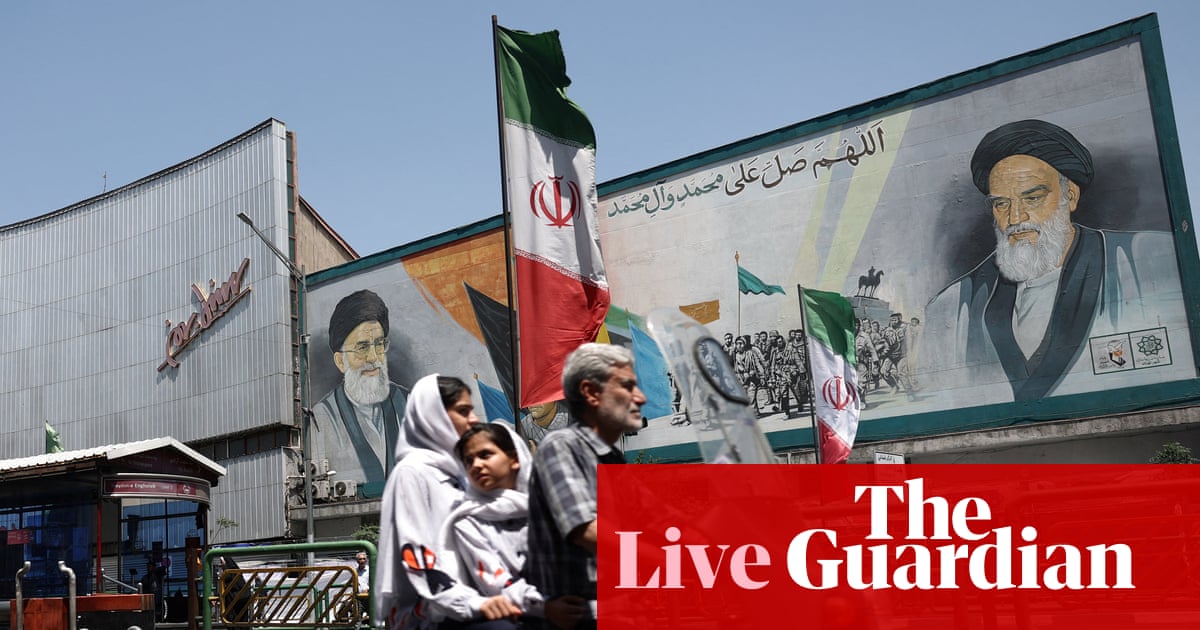
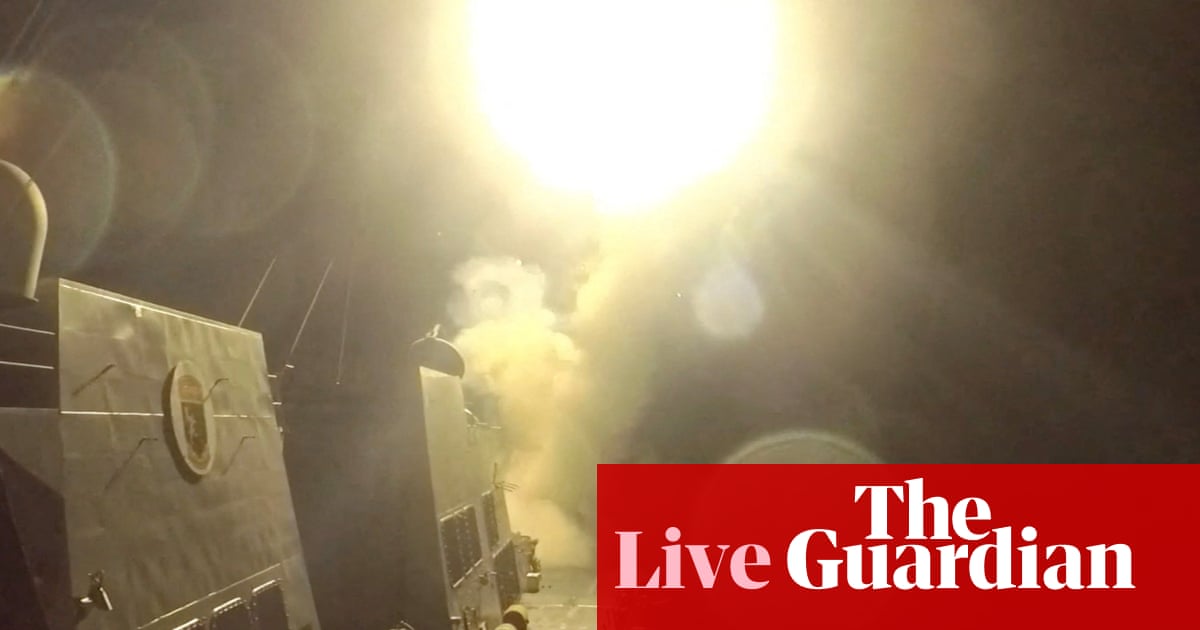
The United States carried out strikes on nearly 20 targets in Iran on Wednesday morning after an Apache helicopter crashed following a collision with an Iranian drone over the Strait of Hormuz. Two crew members were rescued in stable condition.
Iran responded with missile and drone attacks on sites linked to US forces, including an airbase in Jordan, facilities in Kuwait and Bahrain, and the US Fifth Fleet in Bahrain. Jordanian forces said they intercepted five Iranian missiles aimed at the al-Azraq area, with debris falling on Jordanian territory but causing no injuries or damage.
US Central Command said the strikes were completed after more than three hours and that the military remained ready to defend against further Iranian aggression. A US official told Reuters that nearly all Iranian missiles and drones launched in the latest exchange were intercepted and that there were no reports of harm to US personnel or damage to US sites.
The helicopter incident followed weeks of fragile ceasefire between the US and Iran that began on April 8. Both sides have exchanged strikes on at least four occasions since then, each time describing their actions as limited and defensive.
Iran’s foreign ministry warned Gulf states of their “legal and moral responsibility” to prevent the US and Israel from using their territory or facilities for strikes against Iran. Foreign Minister Abbas Araghchi said no attack would go unanswered.
Donald Trump initially downplayed the helicopter crash in a phone interview with the Wall Street Journal, saying it “wasn’t a big deal.” He later posted on social media that the US “must” respond after the incident, and the strikes followed a briefing from Defense Secretary Pete Hegseth and Joint Chiefs Chairman Dan Caine.
Trump also posted a 26-year-old clip from the television show The West Wing in which the fictional president calls for a “disproportional response” after an American is killed. It was not clear what message he intended to send.
House Speaker Mike Johnson described the US strikes as “targeted,” “proportional” and “defensive in nature.” He said he had spent several hours in the situation room with Trump, Vice President JD Vance, Secretary of State Marco Rubio and Hegseth.
Asian stock markets fell and oil prices rose after the strikes. Japan’s Nikkei dropped 0.9 percent and South Korea’s KOSPI fell 2 percent. Brent crude rose 0.9 percent to $92.29 a barrel.
Danny Citrinowicz, a former head of the Iran branch of Israeli military intelligence, said Iran has shown it will not abandon its position without meaningful economic relief. He warned that continued pressure without sanctions relief could lead to further escalation and military conflict.
What's Your Reaction?
 Like
0
Like
0
 Dislike
0
Dislike
0
 Love
0
Love
0
 Funny
2
Funny
2
 Wow
0
Wow
0
 Sad
0
Sad
0
 Angry
0
Angry
0

Comments (0)