

World Cup 2026 tests FIFA's dynamic pricing amid US trade tensions

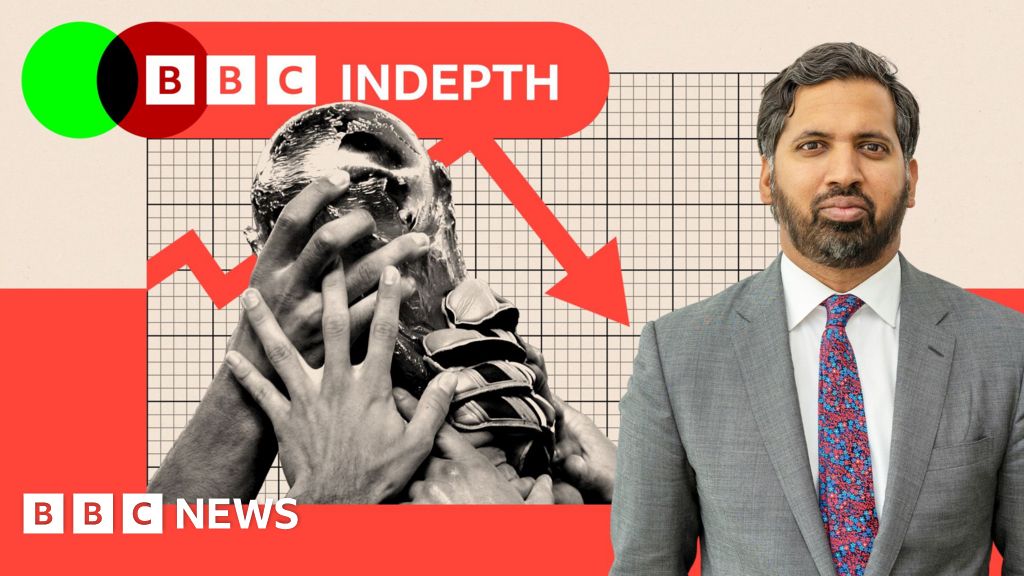
The United States, Canada and Mexico will host the 2026 World Cup while renegotiating the USMCA trade agreement that covers the three nations. The tournament opens at Estadio Azteca and ends at MetLife Stadium in New Jersey.
President Donald Trump has focused on the event and its sponsors since returning to office. He has joked that losing the 2020 election allowed him to attend both the World Cup and the 2028 Los Angeles Olympics. After renewed clashes between Iran and Israel, Trump urged an end to attacks and appeared to pause new strikes as the tournament neared its Thursday kickoff. He had earlier vowed to hit Iran "very hard."
Trump accepted a FIFA Peace Prize before starting the conflict with Iran that produced a global energy and economic shock. The United States and Iran could meet in the knockout stage during the weekend of America's 250th anniversary.
FIFA President Gianni Infantino has called for ceasefires during World Cups. A quicker end to fighting could ease pressure on energy prices and the world economy.
Fans face sharply higher costs. A New Jersey Transit round-trip ticket that normally costs $12.90 will sell for $100 during the tournament. The Boston train link will cost $80 and official parking rates reach $225. These prices replace the free transport offered at earlier tournaments in Qatar, Germany, Japan and France.
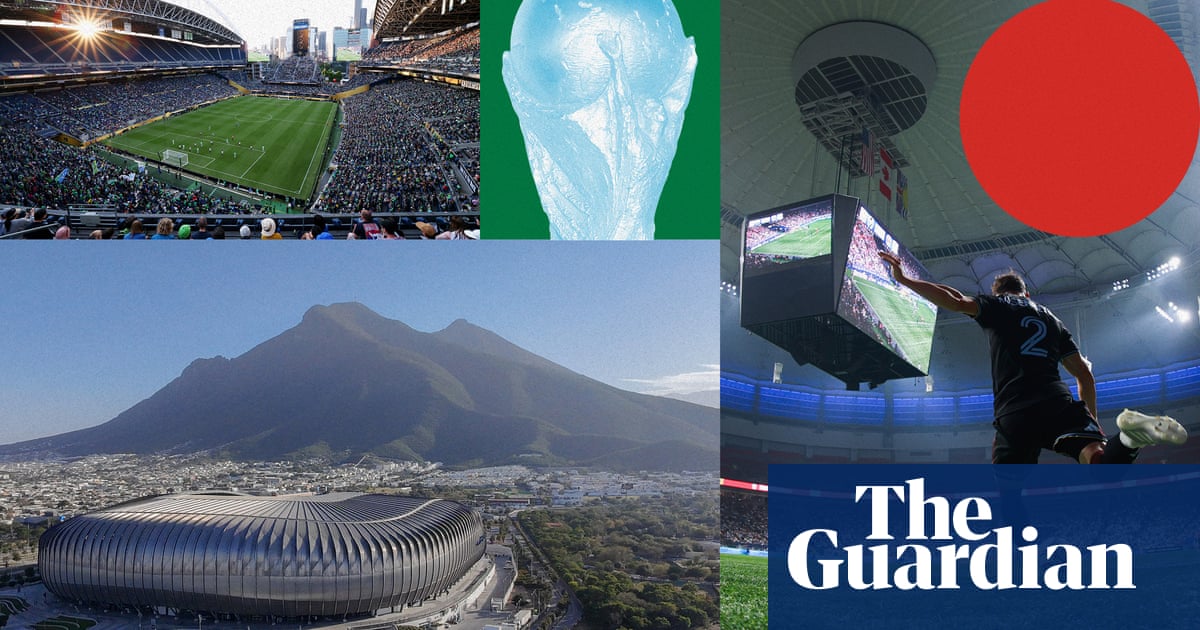
The tournament expands from 32 to 48 teams and uses 11 NFL stadiums plus venues in Canada and Mexico. FIFA has rented the stadiums for fixed sums instead of requiring new construction. Ticket prices start in the hundreds of dollars for group-stage matches and reach five figures for the final. Dynamic pricing will adjust costs upward with demand.
Initial forecasts showed ticket and hospitality revenue rising from $929 million in Qatar to more than $3 billion. University of Notre Dame economist Richard Sheehan estimates the total could reach $7 billion, with average revenue per match rising from $15 million to $71 million.
Cities will not share in the ticket revenue. They must pay for security and transport. New York, New Jersey, California and EU officials are reviewing complaints about the pricing. New Jersey Attorney General Jennifer Davenport described the system as "a gauntlet of confusion, fake scarcity and impossibly high prices."
FIFA will take a 15 percent cut from both sides on its resale platform with no price cap. Some lower-priced tickets at $60 will be distributed through national associations. FIFA says the revenue will be shared equally among its 211 member associations, including small nations such as Montserrat.
The model differs from the 1994 tournament, when FIFA gave the U.S. Soccer Federation control of domestic marketing and tickets. Alan Rothenberg, who led the 1994 organizing committee, said the 2026 structure is "structurally entirely different."
Some resale prices have already fallen. Two tickets with a $620 face value sold for the equivalent of $171 on FIFA's platform. Infantino told an economic conference that football must apply "market rates" in this "very special market."
The pricing follows the NFL approach of revenue maximization over full attendance. European clubs have traditionally kept cheap seats behind the goals to create atmosphere for corporate buyers. Critics say the World Cup model risks emptying those sections.
Host cities report mixed results. Some hotels have seen lower bookings than expected. Chicago Mayor Rahm Emanuel, whose city withdrew as a host, said the decision looks correct. The overall economic boost in the United States is expected to be limited by the size of the economy and its AI-driven investment surge.
In Britain, retailers and hospitality businesses are preparing for higher sales if England or Scotland advance. Scotland has declared a bank holiday for a 2 a.m. kickoff. The wider question is whether the pricing experiment will carry over to the 2030 World Cup or to domestic leagues.
What's Your Reaction?
 Like
0
Like
0
 Dislike
0
Dislike
0
 Love
0
Love
0
 Funny
0
Funny
0
 Wow
0
Wow
0
 Sad
0
Sad
0
 Angry
0
Angry
0

Comments (0)