

UK to Send Military Assets to Strait of Hormuz but Stays Out of U.S. Strikes on Iran

LONDON — The United Kingdom said Tuesday it will send military assets to the Strait of Hormuz as part of a defensive mission to protect shipping.
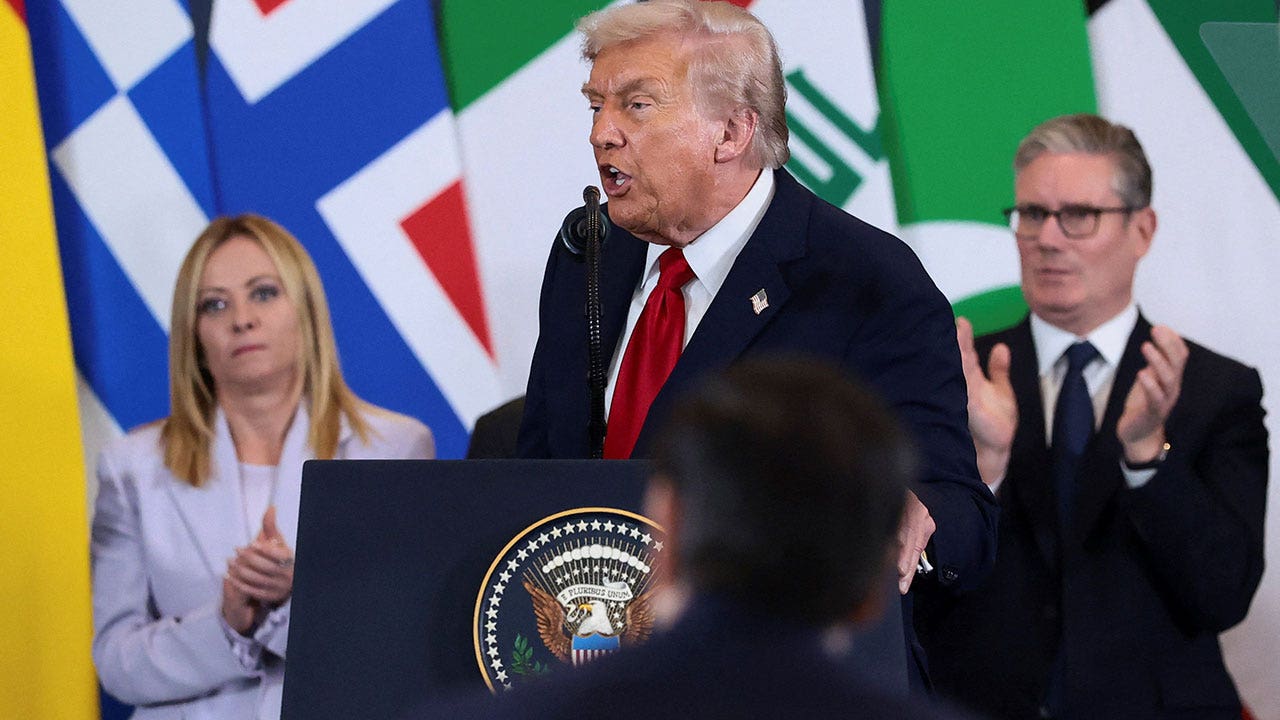
Prime Minister Keir Starmer has declined to join the U.S. operation against Iran, a choice that has drawn criticism from President Donald Trump. Trump called Starmer “no Churchill” and told Sky News that Britain had failed to help when asked.
Trump also questioned the quality of Britain’s aircraft carriers during a White House meeting last month. “We had the U.K. say that, ‘We’ll send our aircraft carriers,’ which aren’t the best aircraft carriers, by the way,” he said. “They’re toys compared to what we have.”
Two recent reports point to limits on what Britain can do. Matthew Savill of the Royal United Services Institute wrote that years of budget pressure and a focus on NATO have reduced the U.K.’s presence in the Middle East. He said defensive units have helped shoot down Iranian drones over Jordan and Iraq, but any larger role would face questions about readiness and priorities.
John Hemmings of the Henry Jackson Society told Fox News that the Royal Navy now has far fewer combat ships than it did thirty years ago. He said only 25 of 63 commissioned vessels are fighting ships and that spending cuts since 2010 have left the force unable to meet global commitments.
A House of Lords committee report warned that close cooperation with the U.S. has created a dependency that has weakened British capabilities. It called for a clear plan to raise defense spending to 5 percent of GDP.
The Ministry of Defense has not commented on the reports. The government has said total armed forces strength reached 182,050 personnel on Jan. 1, 2026, and it has pledged to increase defense spending to 2.6 percent of GDP by 2027, with further rises planned later.
What's Your Reaction?
 Like
0
Like
0
 Dislike
0
Dislike
0
 Love
0
Love
0
 Funny
0
Funny
0
 Wow
0
Wow
0
 Sad
0
Sad
0
 Angry
0
Angry
0




Comments (0)