

Study Finds Commercially Insured Patients Cutting Back on Drug Copay Coupons

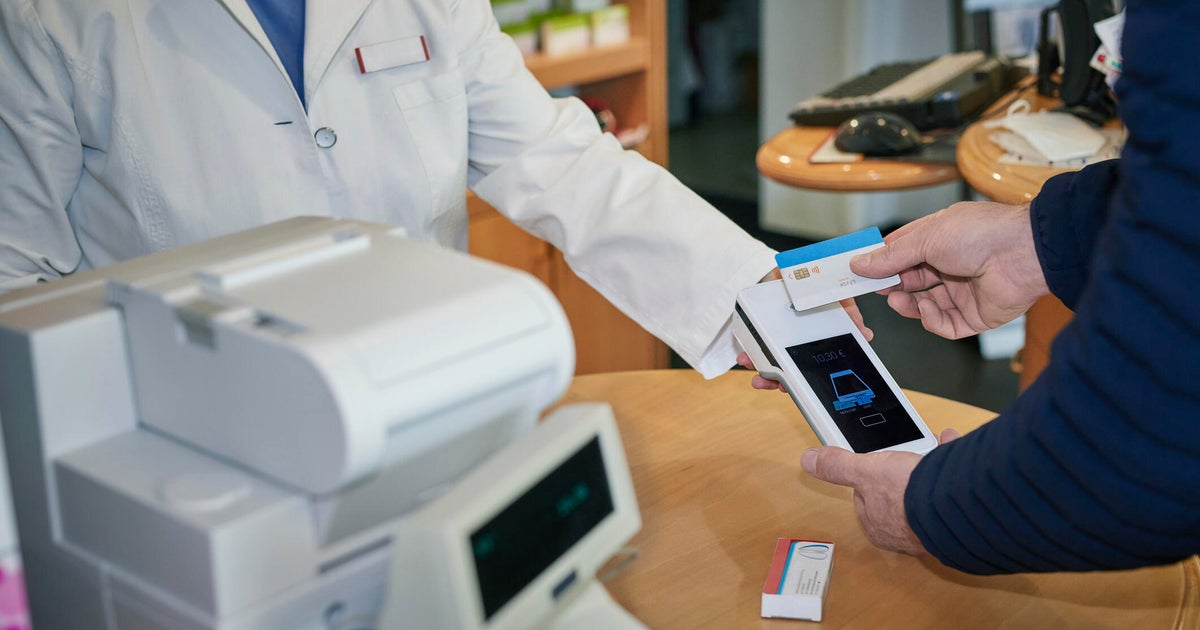
Patients with commercial insurance have cut back on manufacturer-sponsored prescription drug coupons in recent years, even as drug costs climb, according to a study published April 6 in the Journal of the American Medical Association.
Manufacturers continue to offer the same number of coupons, but affordability problems persist for this group, said lead author So-Yeon Kang, an assistant professor of health management and policy at Georgetown University. "Patients are at the intersection and battle place between these payers and manufacturers," she said.
Drug companies hand out copay coupon cards online or at pharmacy counters. Unlike discount services such as GoodRx, which secure bulk pricing discounts, these coupons provide short-term savings to make brand-name drugs more competitive. Patients pay less out of pocket, which nudges them toward brand-name options over cheaper generics.
Insurers complain the practice saddles them with higher costs for pricier drugs, driving up monthly premiums for consumers.
Whether to accept a coupon depends on circumstances. For uninsured patients, coupons often save money, especially without generic alternatives. The federally funded TrumpRx portal lists coupons for about 85 drugs, including some from manufacturers. "I wouldn't brush it off entirely because it's got Trump's name on it," said Michelle Long, a senior policy manager at KFF, which includes KFF Health News. "For a lot of people who take certain medications, there really could be some real savings."
TrumpRx coupons have limits and expire, leaving users to pay full price afterward.
Insured patients face more hurdles. Coupons make sense if the drug lacks coverage or if paying cash. Kang's study showed use on GLP-1 obesity drugs fell from 54.6 percent of prescriptions in 2017 to 2.5 percent in 2024 among commercially insured patients, despite rising drug use nationwide. She attributed this to more cash payments as prices drop, insurers' coverage reluctance, and manufacturers' shift to marketing.
Those expecting to meet their deductible this year might use coupons for non-generic drugs, though the savings typically do not count toward the deductible.
Patients with insurance and low medical costs should skip coupons. They risk higher indirect costs and miss deductible progress. Insurers deploy copay accumulators, which apply full coupon value at the counter but exclude it from deductibles and out-of-pocket maximums. Copay maximizers use third parties to adjust copays to match coupons without advancing deductibles.
Programs often carry names like "Employee Savings Program," but they erode coupon benefits over time, Long said. Consumers see initial savings but pay more later.
Medicare and Medicaid ban manufacturer coupons under federal anti-kickback laws that prohibit inducements influencing purchases paid by federal programs. Some states, including California and Massachusetts, restrict coupons when generics exist.
What's Your Reaction?
 Like
0
Like
0
 Dislike
0
Dislike
0
 Love
0
Love
0
 Funny
0
Funny
0
 Wow
0
Wow
0
 Sad
0
Sad
0
 Angry
0
Angry
0








Comments (0)