

Starmer Pledges Tighter EU Ties After Local Election Losses

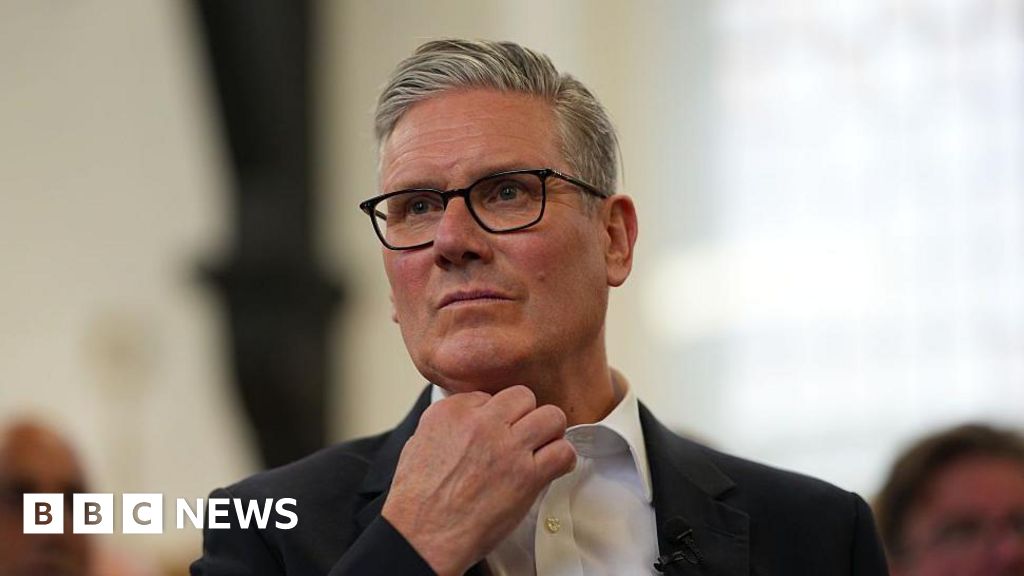
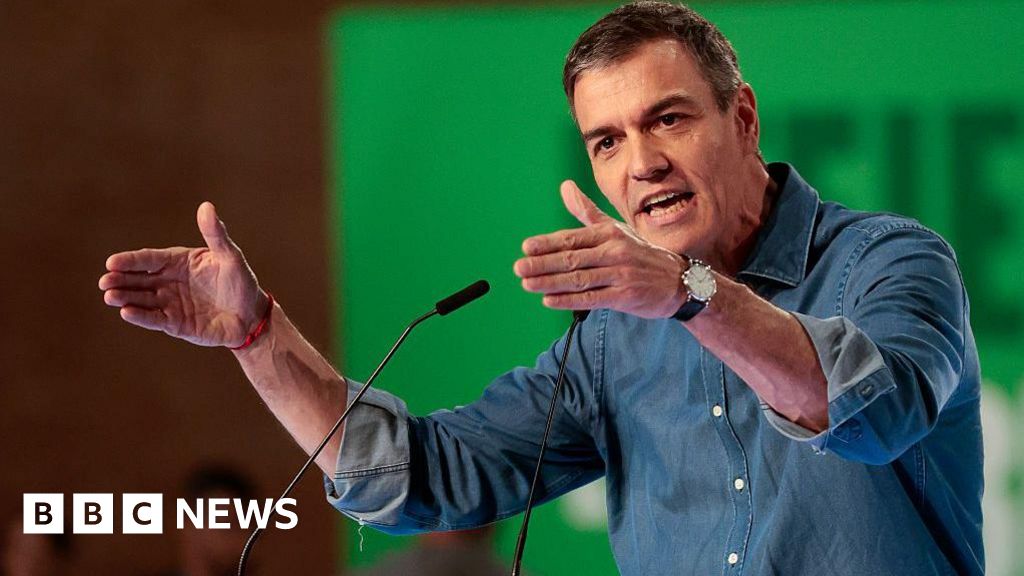
An EU official in Brussels expressed surprise at a British prime minister seeking closer European Union ties to rally public support, especially with the 10-year Brexit vote anniversary approaching next month. The official, who spoke anonymously to discuss freely, reacted to Prime Minister Sir Keir Starmer's speech.
Starmer delivered the address this morning after suffering major losses in local elections last week. Billed as defiant, the speech outlined "a platform on which we can build" for stronger EU relations, centered on the upcoming EU-UK summit this summer.
"This Labour government will be defined by rebuilding our relationship with Europe, by putting Britain at the heart of Europe, so that we are stronger on the economy, stronger on trade, stronger on defence," Starmer said.
Jill Rutter, a former British civil servant and senior research fellow at UK in a Changing Europe, called the comments "a damp squib" with "not one single new proposal."
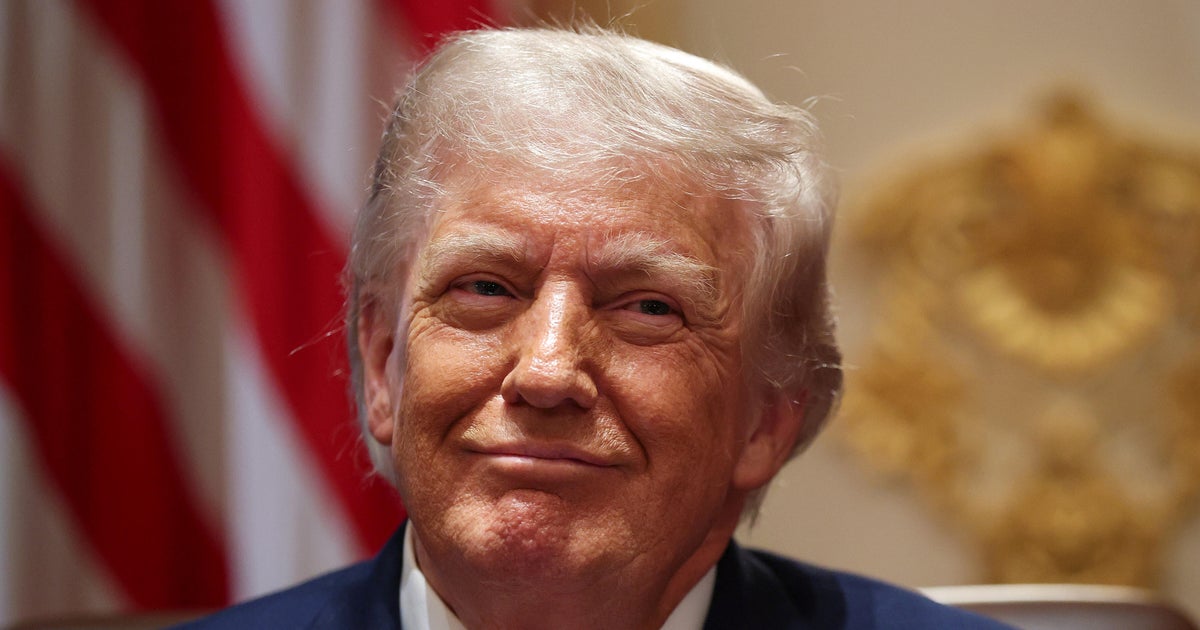
Europe focuses on broader defense issues like Iran, the Russia-Ukraine war and fraying US ties under Donald Trump. The UK remains a steady NATO ally alongside the EU. On Monday, Britain issued new sanctions against Russia.
Conversations in Europe suggest UK foreign policy will stay consistent, even if Starmer faces leadership challengers soon. That includes backing Ukraine and forming a maritime force for the Strait of Hormuz once the Iran crisis eases.
Starmer said Monday: "Incremental change won't cut it on growth, defence, Europe, energy - we need a bigger response than we anticipated in 2024 because these are not ordinary times."
The EU has told Britain since Brexit it welcomes closer ties if London commits fully. Labour's serious talks cover narrow areas: a sanitary and phytosanitary (SPS) agreement for food and drink safety, a carbon emissions trading deal, and a youth mobility scheme.
Starmer now promotes the youth scheme to aid disadvantaged Britons, though the EU pushed for it, especially Germany, and his government initially resisted.
These steps and others, like electricity market alignment, offer little overall economic lift for the UK.
Such moves match the "incremental change" Starmer said no longer suffices.
EU states join the bloc for self-interest, not romance. Brussels requires free movement of workers for single market access in services and goods.
Labour set red lines against free movement, single market and customs union rejoining due to UK immigration concerns. Asked Monday if those lines might shift, Starmer dodged.
That fuels talk he could drop them before the next general election. Across Europe, Starmer's EU rhetoric sounds strong but lacks substance.
"For the last two years (since Labour won the UK general election), we have heard the same thing from the British government: we want a 'reset' with the EU after Brexit," said an EU diplomat from a UK-friendly nation. "But what is this famous reset? The words from UK ministers like the prime minister and the chancellor sound increasingly enthusiastic but the actual steps they take are baby steps. Probably because they are clear, the closer you get back to us, the more we ask from you in return. Do their voters know that?"
Even limited EU deals require "pay to play." UK participation in the Horizon science program costs £2.2 billion ($2.9 billion) yearly, yet Britain leads as a beneficiary two years after rejoining.
EU relations minister Nick Thomas-Symonds said last month Labour takes a "ruthlessly pragmatic" and "ambitious" approach without harming UK interests. Sectoral deals, like the pending food safety agreement, mean adopting EU rules now and future.
More alignments in electricity or chemicals increase UK commitments to EU laws.
Conservatives once promised a deep US trade deal post-Brexit. Last year's UK-US pact proved narrow amid disputes over chlorinated chicken and NHS sales. EU alignment limits broader US options.
Last week's British votes highlighted Reform Party gains under Nigel Farage, a long-time euroskeptic and former European Parliament member. The EU will deal with Starmer's team but may add penalties for future UK pullbacks.
What's Your Reaction?
 Like
0
Like
0
 Dislike
0
Dislike
0
 Love
0
Love
0
 Funny
0
Funny
0
 Wow
0
Wow
0
 Sad
0
Sad
0
 Angry
0
Angry
0

Comments (0)