

Shell kept pumping oil through leaking Nigeria pipeline despite internal warnings

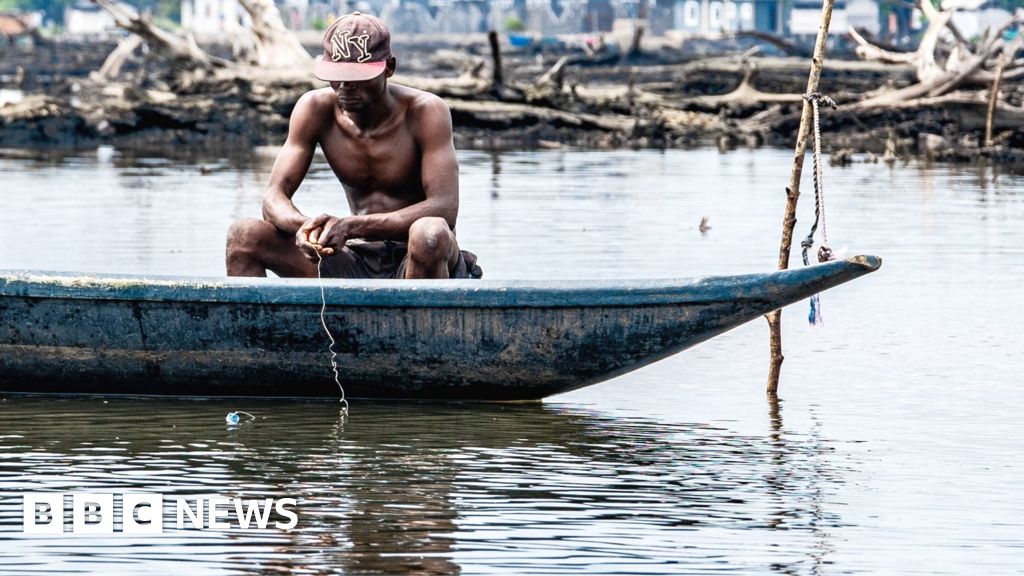
British multinational Shell continued operating a major oil pipeline in Nigeria for years even though it knew it was causing widespread pollution, despite a warning from its own staff and its own technical standards, internal documents obtained by the BBC show.
The files, including emails and presentations, reveal that a senior Shell executive cautioned as early as 2008 about the risks of continuing to pump millions of barrels of unrefined fuel through one of the company's main pipelines in Africa's biggest oil producer while it was subject to massive and destructive uncontrolled theft and infrastructure failures.
The BBC obtained the internal documents after Shell disclosed them as part of ongoing legal proceedings in the UK brought by communities living around the creeks and mangroves of the Niger Delta, who want Shell to be liable for the pollution caused by more than 100 leaks stemming from theft and illegal refining of oil between 2011 and 2013 that have damaged their health, environment and livelihoods.
The 60-mile Nembe Creek Trunk Line runs near the riverine community of Bille, which is made up of 45 islands, from inland oilfields to a coastal processing site for exporting. The pipeline, which Shell sold last year, was one of its biggest, most expensive and ultimately most problematic bits of infrastructure in Nigeria. It was capable of carrying up to 150,000 barrels of oil a day, but was repeatedly hit by spills and targeted by illegal oil thieves.
In court papers the oil firm argues that most of the pollution has been caused by large-scale oil theft, sabotage and dozens of illegal refineries, and that its Nigerian subsidiary invested heavily over many years to reduce the risk of and response to spills.
In places like Bille, which the BBC visited last week, residents describe once-rich fishing grounds turning toxic and unusable. A claimant in the case against Shell, 64-year-old fisherman Balafama Augustus Bruce, said before all the spills, he was able to catch a variety of fish including sardines, catfish, tilapia and even oysters, but most are hard to find now or if caught, appear deformed.
"Before 2011, here was a beautiful area. People play here and go into the river," Bruce told the BBC. "We used to fish around here. But because of the damage the spills have caused, nobody is fishing here again. Because of that I've become poor. I eat from hand to mouth."
The communities via the ongoing international lawsuit against Shell are seeking $1 billion, including $250 million in compensation and $750 million to clean up the environmental damage.
According to the UN, since 1958 when Shell sent its first shipment of oil from Nigeria, at least 13 million barrels of crude oil have been spilled in at least 7,000 incidents.
An internal Shell email exchange from October 2008 reveals a disagreement between senior executives over the risks of continuing operations. Markus Droll, the firm's then technical vice-president, raised concerns about a decision to keep operating the Nembe Creek Trunk Line outside of its usual guidelines.
"If there is another massive explosive attack tomorrow then we could well find ourselves in the situation of simply having to close the production down," he wrote. Droll also questioned whether enough safeguards were in place and flagged that other sections of the pipeline could be in a poor condition.
In response, Ann Pickard, Shell's regional executive vice-president at the time, criticised him for failing to mark the email as legally privileged. "You have just exposed us significantly in your official disagreement as technical manager without legal privilege," she said. Pickard acknowledged it "was not an easy decision" but argued continuing operations represented the lower risk to both people and environment.
One of the internal documents obtained by the BBC is a previously confidential form from 2012. It reveals that Shell bosses recognised its pipeline was not operating within its usual technical standards, with sections classified as red because of extensive illegal oil-theft connections. According to the company's own definitions, that status required either an immediate shutdown or immediate corrective action. But the document shows how despite raising the concerns, executives argued shutting the system down would simply lead to a significant number of new illegal connections being installed elsewhere. Instead, senior officials gave the Nigerian subsidiary permission to continue pumping.
An email chain from February 2013 shows how executives suggested conducting an audit into how the company managed oil theft and pipeline integrity between 2009 and 2012. Vincent Holtam, who was then general manager for onshore assets for Shell's Nigerian subsidiary, replied to warn colleagues that doing so could do more harm than good.
"I have no doubt that this audit will come out as UNACCEPTABLE, in which case we may be very exposed in disputing any oil loss claims from the Government or compensation claims from the community," he wrote.
The following month, the documents show how Shell launched a most confidential operation, codenamed Project Madrid, to assess how to handle the spills in Nigeria. A 36-page internal presentation prepared for executives estimated there were 100 illegal refineries operating around the pipeline, causing pollution to around 9,000 hectares of water and 9,000 hectares of land. It also reported its teams were cleaning up 18 reported spills from an estimated 60 bunkering points.
Executives were presented with a menu of options ranging from temporary shutdowns for repairs while essentially tolerating ongoing oil theft, to halting production for years to fully tackle the problem. The documents do not reveal which option Shell executives decided to take. But the pipeline resumed operations after a series of temporary shutdowns for repairs in 2013.
Shell told the BBC that decisions were based on a number of complex factors, including large-scale oil theft, illegal refining and militancy in the area at that time, and that it worked with the Nigerian authorities and also local communities to address them and to clean up spills regardless of cause. The company argues that it took significant steps to tackle illegal theft but that Nigeria's poor security environment made it impossible to prevent gangs from targeting its infrastructure.
Law firm Leigh Day says the communities it is representing in the UK case have always argued that Shell plc in London was ultimately making the key decisions in relation to its Nigerian subsidiary which led to the destruction of their environment and are determined to hold the company responsible for the oil pollution which still blights their lives today.
Shell told the BBC it had spoken to the three former executives named in the documents and that none wanted to respond directly. The company says members of the Bille community were among those who took part in theft of oil. But Bille residents like 49-year-old Taminoibitein Philip say Shell still has a responsibility having benefited from collecting the oil for years.
Philip is a harvester of periwinkles, but says the sea snails are hard to come by these days in the mangroves and swamps. "When you go to the bush, you won't see periwinkle any more," she said. "And the odour killing us. Some places crude oil, some place gas. We don't benefit. We are suffering."
What's Your Reaction?
 Like
0
Like
0
 Dislike
0
Dislike
0
 Love
0
Love
0
 Funny
0
Funny
0
 Wow
0
Wow
0
 Sad
0
Sad
0
 Angry
0
Angry
0

Comments (0)