

Save the Children Leader Details Sudan Crisis, Sexual Violence and Gaza Aid Failures

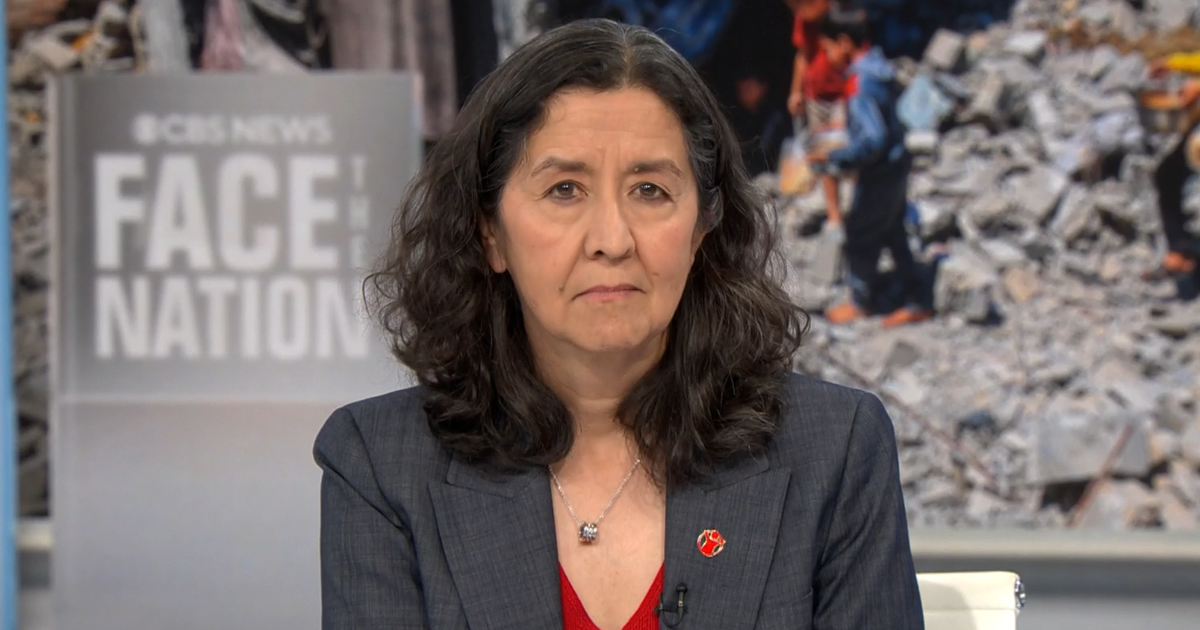
Janti Soeripto, president and CEO of Save the Children U.S., told CBS's "Face the Nation" on May 10, 2026, that Sudan faces the world's worst humanitarian crisis, with millions in need and minimal attention relative to the scale.
Soeripto, just back from Sudan, said it took her four days to reach the first school her group supports. Logistical barriers force aid workers to cross lines held by multiple militant groups. "The level of logistical and operational impediments to actually get support to children and mothers where they are is unbelievably difficult," she said. The United Nations reports 34 million people need urgent assistance there. Pope Leo called it an inhumane tragedy.
The U.S. views the conflict as a proxy fight, but Soeripto highlighted staggering rates of sexual violence used systematically as a war tactic, per the UN. Some 13 million people, mostly women and girls, require support for such violence—four times the pre-conflict level. Doctors Without Borders stated the war is fought "on the backs and bodies of women and girls" and faulted aid groups for insufficient response.
"We're doing what we can, but I would certainly agree that it is not enough. We simply do not have the resources," Soeripto replied. In Darfur, where she visited, her group has 150 colleagues who have all lost their homes and are displaced. Most came from El Fasher after violence there last October. She recounted one colleague who walked with her 16-year-old daughter, who was threatened. The mother fought off attackers, suffering scars on her face, before they were rescued. Many others lack such outcomes. Women walked days without sleep to protect families. In north Darfur, 700,000 displaced people live in one desert stretch, with most households led by women whose men were killed, disappeared or joined fighters.
Regional conflicts compound the problems. Humanitarian aid sits stuck in the Strait of Hormuz due to the Iran war. Save the Children has half a million dollars' worth of medicine and drugs stranded in Dubai. Transport costs have risen, including a 12 to 15 percent increase for Plumpy'nut malnutrition treatment for infants and young children. Supplies take longer via alternate routes. Inside Sudan, supply chains face huge hurdles: authorizations are hard to get, and paved roads end an hour from the western Darfur border, leaving rocky paths that delay delivery by days or weeks.
Turning to the Middle East, Soeripto disputed White House claims of "tremendous progress" on President Trump's 20-point Gaza peace plan six months into the ceasefire. Her group and others say the plan is failing. Save the Children assessed it using staff accounts, UN data and public sources to check for reduced violence and unfettered access for supplies and staff. They published their methodology. The group has 200 staff in Gaza doing vital work, but getting supplies and rotating personnel remains extremely difficult. "No, that plan, as it stands, is not working," she said.
What's Your Reaction?
 Like
0
Like
0
 Dislike
0
Dislike
0
 Love
0
Love
0
 Funny
0
Funny
0
 Wow
0
Wow
0
 Sad
0
Sad
0
 Angry
0
Angry
0





Comments (0)