

Regenerative Farmer Launches Electric Car Club in Rural English Village

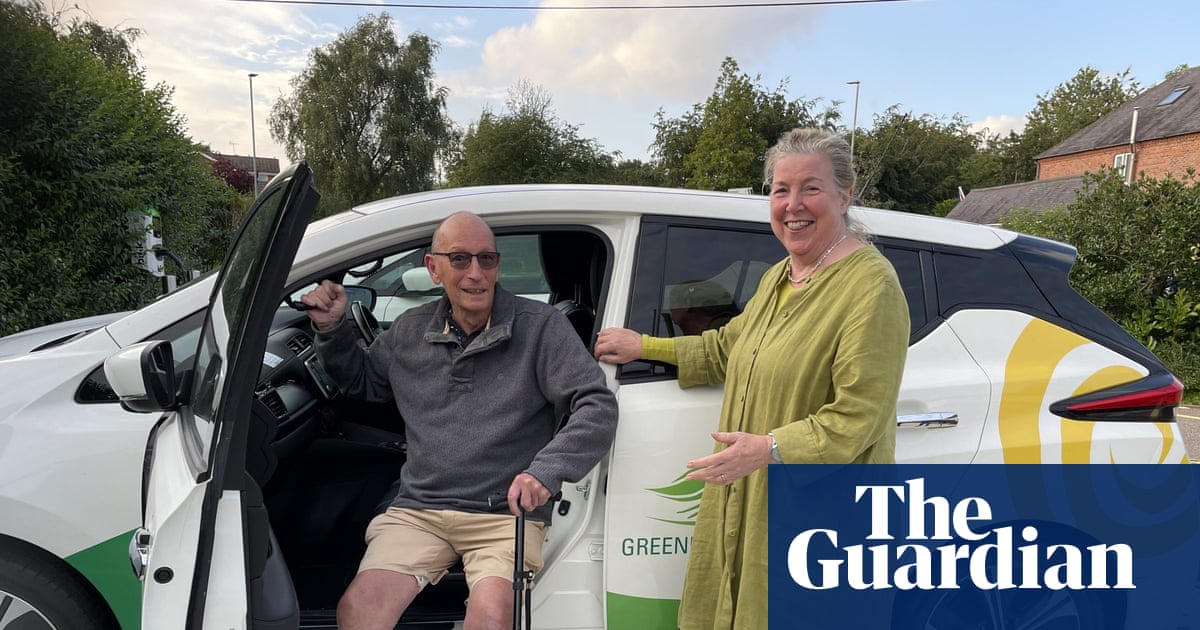
Miriam Stoate, a regenerative farmer from rural Leicestershire, saw many in her East Midlands village struggling to get around after the Covid pandemic.
Cars filled the streets of Tilton, but residents often lacked access when they needed it most. "Whether because of ill health, meaning they could no longer drive, or because at times there was a need for more than one vehicle per household, there was a problem," Stoate said.
When local community energy group Green Fox reached out, Stoate and volunteers launched Tilton's electric car club in 2023 with funding from Motability and Harborough district council. For a monthly fee, residents hire two electric vehicles by the hour or day. The club also supplies volunteer drivers for those unable to drive.
"It's been great," Stoate said. "You can see the difference it has made to the community, not just in getting people better access to viable transport, but also helping people get to know each other more … People who would not necessarily have met previously are now friends."
The Tilton effort offers one answer as the UK tackles sustainable, affordable transport for the 21st century. Public transport beats some nations, especially the US, but transport drives 25% of UK carbon emissions. Surface transport accounts for most of that, and cuts lag other sectors.
Experts note progress in spots. Middle East tensions boosted electric vehicle sales 59% in April; EVs now make up a quarter of car sales.
Anna Krajinska, UK director of Transport and Environment, said industry lobbyists seek to weaken the zero-emission vehicle mandate, which requires carmakers to sell more zero-emission cars yearly. "We have already seen some weakening of the mandate with more plug-in vehicles being allowed, which have five times the emissions of electric vehicles," she said.
Krajinska stressed no further delays on the mandate, which demands all new cars be EVs by 2035 and a decarbonization plan for trucks and lorries. "Unless we stick to the EV mandate, it will slow down the availability of affordable EVs and mean people will be locked into fossil-fuel vehicles and the volatile markets they depend on for years to come."
Government policy pushes EVs, better public transport, walking and cycling. Chris Hayes, chief economist at Common Wealth thinktank, said trains and buses suffered from underinvestment after privatization sent funds to shareholders, yielding worse service and higher fares.
"British rail passengers spend roughly three times as much per kilometre as in other countries, while half of the industry's income comes from direct and indirect public subsidy," Hayes said. He praised partial rail renationalization but called for integrated, affordable rail and bus services where public risk matches public gain.
Doug Parr, Greenpeace UK policy director, called public transport's path long but worthwhile. "Shifting journeys from cars to buses and trains won't just reduce congestion, pollution and climate emissions, it may also help us cut our oil demand – a useful side-effect given the price and supply crunch that's about to hit us thanks to the Iran war."
Parr urged big investments, train fare overhauls, lower bus fare caps, plus SUV taxes, bike lanes and 20mph zones.
Professor Greg Marsden of the University of Leeds said even hitting targets would exceed the transport carbon budget by 15%. "Ambition is evaporating by the year," he said. "Plans to reduce overall traffic have disappeared and the government is now working on the assumption that the number of cars on UK roads will increase by 10 million by 2050."
Marsden wants a transport taskforce for ideas like shared EVs in rural and urban areas, lighter shared EVs for trips under 30 miles, and station fleets linking trains and roads. "We spend an awful lot of money on cars … but that money could be spent in different ways and still give access to all the mobility that we need," he said. He leads a Leeds project with council and residents to cut car use through community input.
A Department for Transport spokesperson said car-sharing eases travel, cuts congestion and emissions. Councils get guidance to support them, with more to come in the new strategy.
In Tilton, Stoate noted hurdles like insurance and convincing elders on EV safety. CoMoUK provided key aid, and other villages now inquire. "It's about learning from each other … we now have a viable transport option that everyone can use without buying more and more cars – and it has helped to build our community, too."
What's Your Reaction?
 Like
0
Like
0
 Dislike
0
Dislike
0
 Love
0
Love
0
 Funny
0
Funny
0
 Wow
0
Wow
0
 Sad
0
Sad
0
 Angry
0
Angry
0







Comments (0)