

Potholes Top Voter Concerns in England's Local Elections

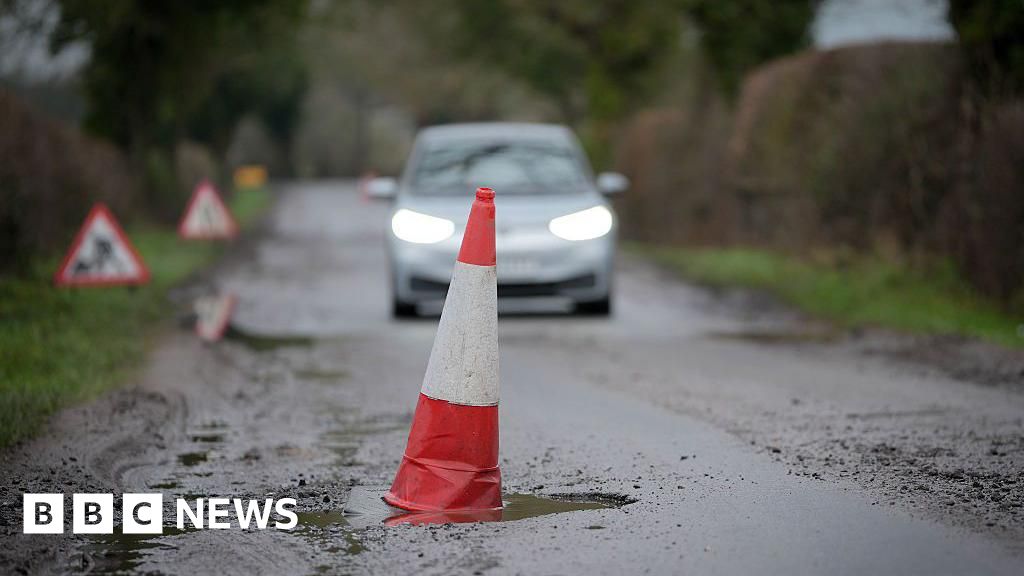
Many voters heading to polls Thursday in England's local elections rank road conditions at the top of their concerns.
Opinion polls place potholes alongside cost of living, health services and crime as major factors in how people will vote. Vehicle damage can run to hundreds of pounds, while cyclists and pedestrians face risks. Potholes also signal poor community maintenance.
The UK government aims to end the "pothole plague." Transport Secretary Heidi Alexander, who oversees England's roads, hit a pothole last month and damaged her Mini Cooper. She joked that astronauts on Artemis II might have spotted a crater that size during their recent moon voyage. Her local authority criticized the remark.
Listeners to the BBC's Your Voice program described roads as "undriveable" and "dreadful" from potholes. They questioned council responses.
Councils maintain local road networks. The Asphalt Industry Alliance outlined the challenge in its March 2026 survey. Fixing pothole-damaged roads in England and Wales would cost an estimated £18.6 billion ($23.9 million) and take 12 years, even with more funding. The survey found 1.9 million potholes filled last year.
Campaigner Mark Morrell, known as Mr Pothole, personifies the fight for better roads. Frustrated by broken promises to voters, he wrote a poem, Hypocrisy on the Highway. It says pledges derail after ballots are cast and urgency fades fast.
Morrell, based in Northamptonshire, started National Pothole Day in 2015. He calls Britain "pothole Britain." He urges councillors to master details, admit the challenge's scale and offer realistic plans if elected. "They need to find out what they're talking about before making statements," he said.
If running for office, Morrell said, he would tally potholes, backlogs and details, then state what he could achieve. He has advised councillors and candidates who reached out. He calls for better training, repair methods and an "invest to save" strategy. "A pothole hasn't got politics, it just needs fixing," he said. "But a pothole is only a sign of failure of resurfacing and maintaining the network."
In January, the Department for Transport issued a traffic light system rating local authorities on road maintenance and spending of government funds. Green, amber and red ratings drew questions from some councils, but the department defended its approach.
Political parties pledge action, with repair quality as vital as quantity. A Reform UK spokesman said its councils seek "new solutions to fix the broken roads they inherited," using "cutting-edge new technology to make pothole repairs faster and more efficient."
The Conservatives propose a "national pothole patrol" with specialist units and "the most effective technology on the market."
Liberal Democrats back a national policy to help councils fix potholes, with local decisions. Local government spokesperson Zoe Franklin said, "The state of our roads is a mess nationwide and reflects the wider crisis we have seen in local government funding."
A Green Party spokesman said approaches differ by council. Nationally, they prioritize existing road upkeep over major new builds. "We're often portrayed as being anti-car and therefore not caring about potholes," the spokesman said. "In fact, potholes have a big impact on walkers and cyclists as well people who need to use their cars for work."
Labour, in power in Westminster, sets England council spending. It announced £7.3 billion for local road maintenance over four years, plus rules to withhold funds from councils not proving pothole fixes.
The Local Government Association, representing English councils, said, "Councils take their responsibilities to maintain and upkeep roads seriously, but the truth is that ever-increasing pressure on budgets has impacted their ability to do so as much as they'd like."
After noting the backlog, the LGA said steady funding would let councils plan maintenance, focus on prevention to save taxpayer money and cut repairs, and invest in innovation.
The RAC reported pothole mentions in member breakdowns rose from 5,420 in the first three months of 2025 to 15,421 in the same period this year.
What's Your Reaction?
 Like
0
Like
0
 Dislike
0
Dislike
0
 Love
0
Love
0
 Funny
0
Funny
0
 Wow
0
Wow
0
 Sad
0
Sad
0
 Angry
0
Angry
0











Comments (0)