

Pakistan Airstrike Kills 269 at Afghan Drug Rehab Center, Families Demand Answers

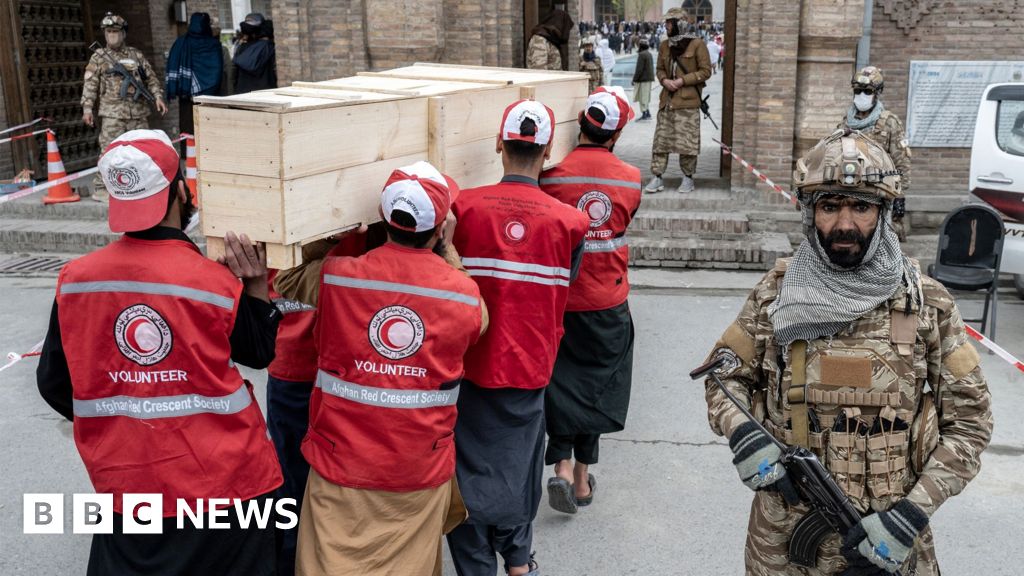
Masooda walked to a hillside cemetery in northwest Kabul on a rainy, cold morning to find her younger brother Mirwais's grave. He died two months ago in a Pakistani airstrike, but she does not know his exact burial spot.
She stood instead at the edge of a mass grave covered in tiny white stones and marked with grey granite slabs. It holds some of the at least 269 people killed in the attack on a drug rehabilitation center. Many victims, like 24-year-old Mirwais, were barely identifiable, reduced to body parts or burned beyond recognition.
"My brother's body was in pieces. There was barely anything left of him to give us," said Masooda, 27, breaking down. "They just found his torso. I identified it through a birthmark he had."
The strike on Omid Drug Rehabilitation Hospital stands as Afghanistan's deadliest attack, possibly ever and certainly in recent history amid 20 years of war with Taliban, Nato and Afghan republic forces. A United Nations report released Tuesday confirmed 269 deaths but said the true toll is likely higher.
Calls are growing to investigate the attack as a war crime. Fighting between Pakistan and Afghanistan has raged for months, killing hundreds, mostly in Pakistani airstrikes. Islamabad blames the Taliban government for sheltering militants who attack Pakistan. Kabul denies the charge.
The rehab center strike caused most of this year's deaths in the conflict. The scale shocked Afghans long accustomed to violence.
UN teams and BBC Afghan service reporters, who reached the site soon after, confirmed the strike hit civilians in treatment. Human Rights Watch called it "an unlawful attack and a possible war crime".
Pakistan denied striking civilians. In a statement to the BBC, it said "no hospital, no drug rehabilitation centre, and no civilian facility was targeted". The targets were "military and terrorist infrastructure".
Masooda called the claim a lie. "Pakistan is lying. I have seen it and it wasn't a military camp. There were men admitted there who had come to get healed and return to their families," she said.
The BBC spoke to families of more than 30 victims, including recovering addicts and center employees, who rejected Pakistan's account.
Omid occupies a former military training compound, Camp Phoenix, once used by US and Nato forces. It opened in 2016 after Americans left the base and five years before Taliban took power in 2021. Domestic and international media covered it widely. The BBC visited in 2023 to interview recovering addicts.
"It's literally about a kilometre away from the main UN offices. We have UN agencies, support to the patients of that hospital. So the site was well known to us," said Fiona Frazer, UN High Commissioner for Human Rights representative in Afghanistan.
Mirwais, one of three million Afghans with drug addiction, was a new inpatient. Masooda, who raised him like a son after their parents died, said he studied to be a pharmacist before getting hooked on Tablet-K, a synthetic street drug containing methamphetamine, opioids or MDMA depending on type.
"He was a simple boy who got into a bad habit. He had only been at Omid for 10 days when this happened," Masooda said.
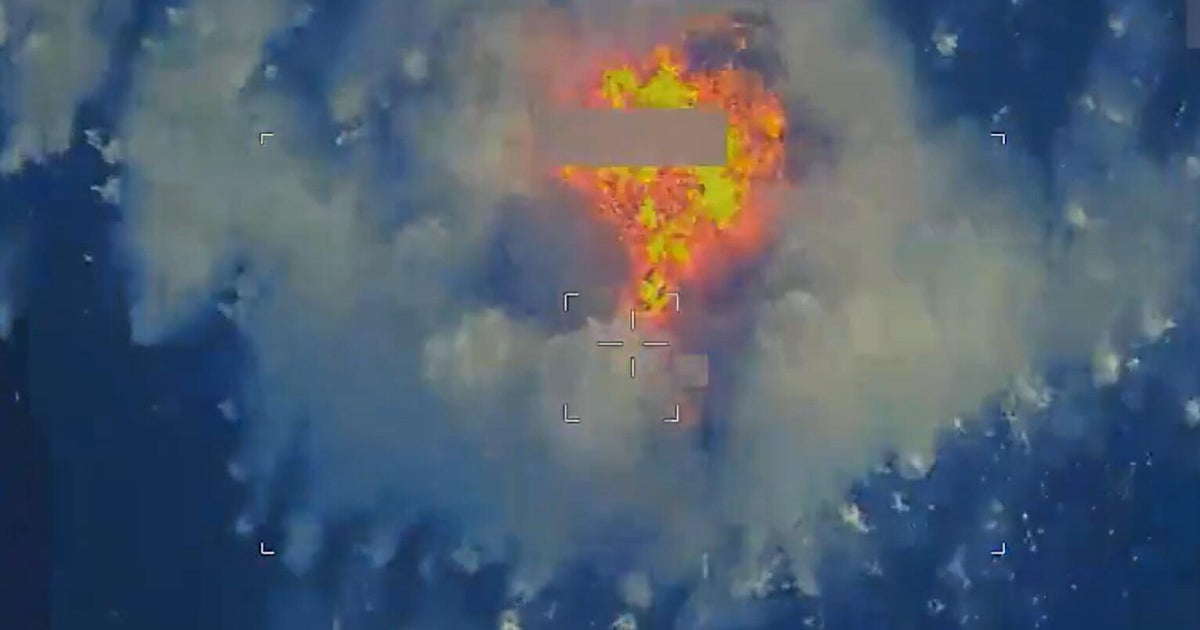
Three bombs fell on the facility along the Kabul-Jalalabad highway at about 20:50 local time on March 16, one doctor told the BBC. He spoke anonymously without Taliban government approval.
"One of them hit a hangar-like structure where newly-admitted patients are normally housed," he said. "The other two bombs hit containers and wooden blocks that housed patients, as well as food storage units, and offices of the administrative, security and support staff."
Frazer noted the strike also hit vocational training areas, wooden buildings that fueled a massive fire.
The UN report said shrapnel wounds and burns caused most harm. Several bodies could not be identified due to dismemberment or severe burns.
"I have never seen such a horrific scene in my life," the doctor said. "I walked amid dead bodies looking for anyone who was alive, looking for people who were screaming for help. The smell of burning flesh was everywhere."
In eastern Kabul, Sediq Walizada got a call about the bombing. It began a desperate search for his brother Mohammad Anwar Walizada, 35, admitted to Omid four days earlier. He too battled Tablet-K addiction, common in Afghan cities.
"We moved from one hospital to another. There were so many dead. Their bodies were in pieces and unrecognisable. We were hoping our brother might have escaped," Sediq said, trauma on his face.
The patient list burned up, per the UN, complicating searches. Sediq and his brothers reviewed photos of charred bodies daily. Four days later, during Eid, they spotted one with clothing fragments and marks matching Mohammad Anwar.
"Not knowing whether he was dead or alive was so painful. And then the agony of finding his body severed in half. Still, it is a relief we found our brother. Some families never found their loved ones because the bodies were so burnt," Sediq said, voice trembling.
Mohammad Anwar, father of six, sold bottled water from a tricycle cart but turned to drugs amid poverty. "He didn't turn to drugs for fun. He turned to it because of helplessness, poverty and hardship," Sediq said.
His story echoes others. "My nephew couldn't find work and poverty forced him into addiction," said Abdul Wahid, Mirwais's uncle.
Families question the attack. "Why did Pakistan do such a thing?" asked Wahid Sailani, whose brother Ajmal died. "Why did they bomb innocent people?"
Pakistan insists victims were not innocent. Its military shared a transcript where spokesman Lt Gen Ahmed Sharif Chaudhry told Geo News TV that "they use these drug addicts as suicide bombers" and called the center "most likely a suicide bomber training facility".
Families disputed this. "[My late brother] Melad was sick and we took him there for treatment. Everyone knows it was a hospital, not a terrorist centre," said Miraj Ali Mohammad.
"I saw the hospital," said Zahidullah Khan, whose brother Rahimullah died. "There was nothing there that was military. I even have videos. The people there were addicts."
Employees' families spoke too. "He worked as an assistant in the hospital kitchen," said Hedayatullah. "They used to cook for all the patients – everyone there was a patient."
The conflict strains Taliban-Pakistan ties. Pakistani officials visited soon after Taliban's 2021 takeover. Now violence and rhetoric escalate daily.
Pakistan blames Afghanistan for civilian deaths since last year, citing Tehreek-e-Taliban Pakistan (TTP) and Balochistan Liberation Army (BLA) attacks from Afghan soil.
"Pakistan, the region, and the wider world continue to face the grave threat of terrorism emanating from territory under the control of the Afghan Taliban regime," its military told the BBC.
Taliban deputy spokesman Fitrat denied this. The government does not use "its territory against anyone nor does it allow any armed groups to operate in Afghanistan". TTP and Baloch separatists have long been active in Pakistan.
Kabul remains safe, he insisted. But the capital strike ended fragile peace since 2021 and raised fears of renewed violence.
Victim families doubt accountability. "We are an oppressed people. We do not have the power to respond," said one victim's brother. "We have suffered injustice and brutality. May God bring the perpetrators to justice."
What's Your Reaction?
 Like
0
Like
0
 Dislike
0
Dislike
0
 Love
0
Love
0
 Funny
0
Funny
0
 Wow
0
Wow
0
 Sad
0
Sad
0
 Angry
0
Angry
0


Comments (0)