

Northern Ireland Prison Guards Face PTSD from Job Trauma, Alarms and Attacks

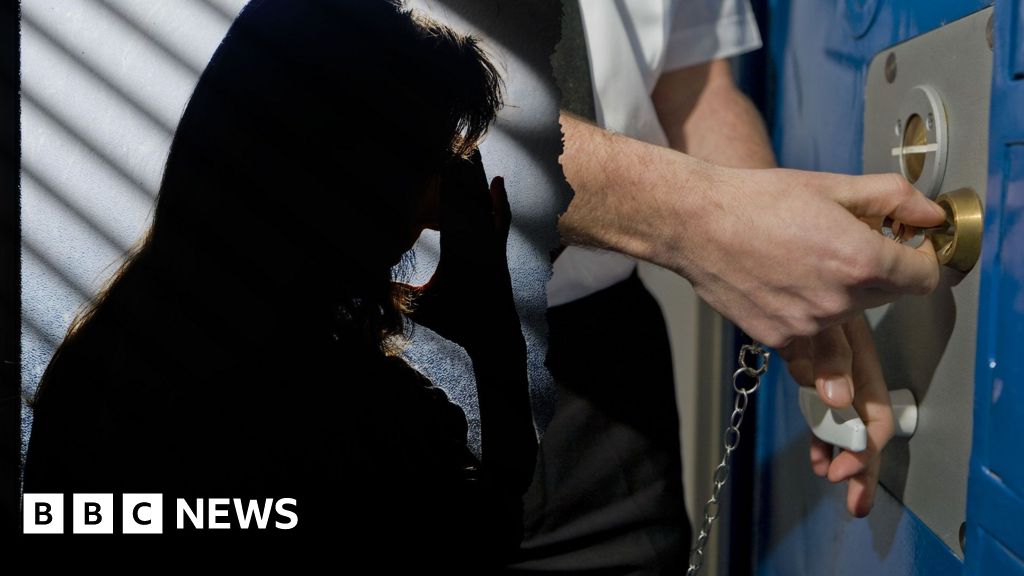
For Rebecca, the school run triggers anxiety because the bell sounds like the prison alarm from her 11-year career as a guard. There, she faced physical and verbal attacks before a diagnosis of complex PTSD.
"It automatically sends me into fight or flight," she told BBC Radio Ulster's Talkback program. "I'll flinch, I'll go to run. In my job when that alarm is hit, I'm not running away from the danger, I'm running to the danger. It's completely exhausting."
Rebecca, a pseudonym, is one of two former guards who spoke about long-term job effects and inadequate support from prison management. Fellow ex-guard Simon, also using a pseudonym, medically retired in 2013 after starting at the Maze prison in 1988.
Northern Ireland prisons then, especially the Maze's H-block, held paramilitary prisoners from the Troubles conflict of the 1970s, 1980s and 1990s. Simon said he entered unaware and found drug-filled prisons run by terrorists and criminals.
"It was constantly a fight," he said. "You were being attacked, constant threats of violence, drug-taking and loyalist and republican prisoners just doing what they wanted to do and the government not really caring with no support."
Simon carried the threat outside, once followed by dissident republicans in Belfast city center. He described seeing "evil face to face" and now suffers flashbacks, pounding headaches and stomach cramps. Divorced, he said life is "very dark" and has hurt his relationships.
"I'm only here because of my grandchildren or I wouldn't be here."
Rebecca, who worked mainly with sex offenders, called reading their crimes "horrific." She released unrehabilitated inmates and normalized attacks at work. "If I went into my job and I wasn't threatened on a day I would come out and go: 'Oh I mustn't have done my job today.'"
Her complex PTSD brings panic attacks that land her in hospital, convinced she's dying. "I trust nobody. I don't have friends as I would call them. I maybe have one or two that I have had since childhood really, that I know that I can trust. But I don't trust even my husband 100%."
In 2025, data from 2023-24 showed high inmate density in Northern Ireland prisons, with more cell sharing at Maghaberry jail. The imprisonment rate stands at 109 per 100,000 people, below Scotland's 149 and England and Wales' 140.
Dr. Michael Duffy, director of Queen's University Belfast's Research Centre for Stress, Trauma and Related Conditions, explained PTSD involves intrusive memories from trauma triggers. Victims stay hypervigilant, often suppressing memories with alcohol.
Complex PTSD adds effects on relationships, a negative self-view and trouble regulating emotions like sudden anger or sadness.
The Department of Justice rejected claims of drug-flooded prisons, ignored staff safety or uncaring management. "We will always acknowledge the challenges of prison work - but we will also continue to stand firmly behind our staff, the safeguards in place, and the professionalism with which they carry out their duties."
Prison officers provide an essential service facing physical and mental demands, the department said. It noted positive inspections at Magilligan and Hydebank Wood prisons, treats assaults seriously with discipline and police referrals, and regrets struggles among former officers.
What's Your Reaction?
 Like
0
Like
0
 Dislike
0
Dislike
0
 Love
0
Love
0
 Funny
0
Funny
0
 Wow
0
Wow
0
 Sad
0
Sad
0
 Angry
0
Angry
0









Comments (0)