

Mogadishu Traders Reject Worn Somali Shillings, Driving Up Prices and Hurting Poor

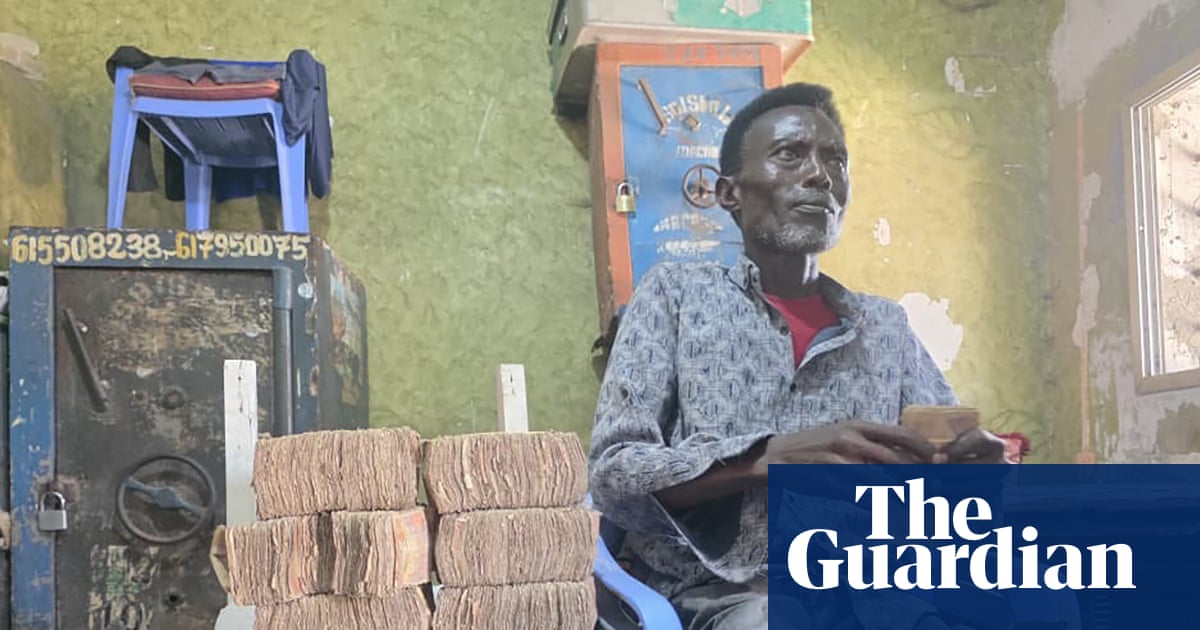
As US troops withdrew from Somalia in spring 1994, a teenage Muse Omar Jama started working as an exchange trader in Mogadishu's Bakara market. More than three decades later, the 49-year-old still holds the same job but questions how much longer he can.
Jama sits in a plastic chair in the one-room office he shares with other traders. Auto-rickshaws speed by outside, but inside it is quiet. The noise of bargaining has faded, and the traders exchange few words.
Their battered metal safes, filled with millions of Somali shillings, sit closed and locked. The paper fortunes inside have suddenly turned worthless. "It's like we went bankrupt overnight," Jama says.
Last month, a handful of traders in Mogadishu, fed up with greasy, ripped and aged banknotes, decided they would no longer accept them. Businesses, shops and even bus drivers soon followed, and the move spread to regions outside the capital.
Prices rose immediately, hiking everyday costs for groceries, medicines and public transport. A small bag of powdered milk, for example, more than doubled in price.
Poor people bear the brunt amid global food price rises and Somalia's ongoing drought in an economy turning fully dollarized.
Somalia ranks among the world's most remittance-dependent countries. The diaspora sends billions annually, mainly in US dollars. These funds enter via informal hawala operators. International groups like the UN, aid organizations, foreign forces and security firms further boost dollar use.
Somalia has printed no banknotes since 1991, when Siad Barre's government fell, the central bank stopped operating and the country earned its failed state label. In ensuing years, the 1,000-shilling note became the only officially recognized currency in circulation.
Factional conflict and politics left no unified currency. Somaliland launched its own shilling. US dollars and phone transfers grew common. Eventually, only Mogadishu and some southern towns accepted shillings.
Before last month's business revolt, people from all walks visited Jama's office at Zoobe junction to swap shillings for dollars via mobile money, or cash remittances for shillings.
Now, like hundreds of thousands paid in shillings outside banks, Jama's life has flipped.
"Prior to the rejection of the Somali shilling, I made enough for basics like rent, electricity and water," he says. He now walks three miles (5 km) to work, unable to use shillings on buses.
"The rejection has hurt poor people most, even beggars. Passersby gave them a couple thousand shillings for food and small goods, but now those notes are worthless," Jama says.
"When they come to exchange shillings for mobile dollars, I turn them away. My safes, shelves and tables are full of shillings I can't convert anywhere."
On May 4, dozens of exchange traders protested, waving wads of old notes through Mogadishu streets and shouting: "Somalia is the only country without a currency." Jama stayed away, too disillusioned. "Things won't be the same. Our currency is dead, and so is our way of life."
Asha Ali Ahmed, 39, sells vegetables at her late mother's stall in Mogadishu and shares the worries. "We were raised on earnings from this stand," she says. "I took shillings to Afgoye for vegetables, then sold them here."
Farmers now refuse shillings and demand mobile money, lifting prices. "Vegetables were already expensive from drought," she says. "Rejecting the shilling made it worse."
Somalia faces dire drought with crop failures, higher food prices and disrupted livelihoods. The World Food Programme says nearly a third of the population, 6.5 million people, face severe hunger. Some 2 million children under five suffer acute malnutrition.
"Most buyers at my stand used shillings. Mobile money means higher payments they can't afford," Ahmed says.
In a televised news conference, the federal government called rejecting shillings a crime and ordered traders and businesses to keep accepting them.
Jama and others doubt the fragile state can enforce it. "The decree is good, but we need action. No police or anyone helps," he says. "Government should hit refusing businesses with accountability, even fines."
Jama leans back in his chair. Across the street, guards man machine guns at the foreign ministry. "Millions will suffer," he says quietly. "More families will slide into poverty."
What's Your Reaction?
 Like
0
Like
0
 Dislike
0
Dislike
0
 Love
0
Love
0
 Funny
0
Funny
0
 Wow
0
Wow
0
 Sad
0
Sad
0
 Angry
0
Angry
0







Comments (0)