

Israeli Strikes Kill 361 in Lebanon Over 10 Minutes, Including Children and Families in Beirut

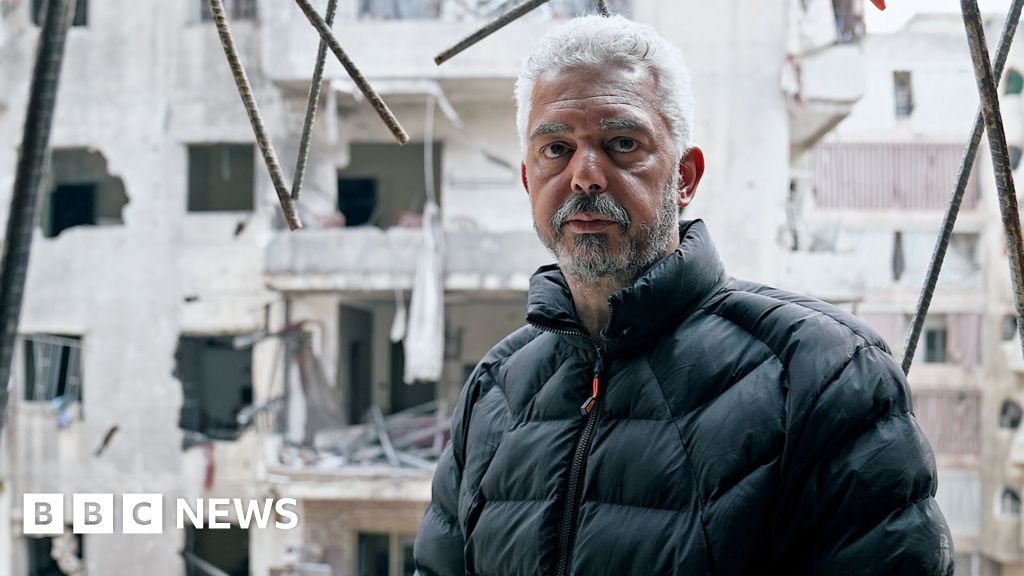
In Beirut's southern suburb of Hay el Sellom, an Israeli air strike on April 8 collapsed a building on Mohammed's sleeping son Abbas. "The three floors above mine all fell into one room," Mohammed said. "They all came down together… on top of him."
The strike came amid a wave of attacks starting at 2:15 p.m. local time. Israel hit about 100 targets across Lebanon in just 10 minutes. Lebanese authorities reported 361 dead and more than 1,000 injured that day, the highest toll of the war.
Israel named Hezbollah command centers and military sites as targets. But ordinary Lebanese residents died alongside any fighters. Hay el Sellom had stayed relatively calm despite earlier strikes and evacuation orders elsewhere in Beirut's southern suburbs, where Hezbollah operates. Residents said they had nowhere to go.
The BBC visited the ruins weeks later. Mohammed stood in his destroyed apartment. "This is the second home I've lost," he said. "In the last war in 2024 I lost a home. And in this war I lost another. I wish it was just my home that I lost, and that my son survived. This brick can be rebuilt. But nothing will bring back my son."
He insisted all those killed lived in the building. "If I thought there was even a 1% chance that someone from Hezbollah lived here, I wouldn't have stayed," he said. "I would never risk my son's life. Maybe, since I'm 45 years old, I wouldn't worry about the risk to myself but a young man with his whole life ahead of him - I would not put him in a building if anyone was there."
After his son's death, Mohammed told local media he sympathized with Hezbollah and urged it to defend Lebanon. Others in strike zones voiced similar views.
Hezbollah, an Iran-backed Lebanese militia and political party, had fired rockets into Israel on March 2 after U.S. and Israeli attacks on Iran. Israel then occupied southern Lebanon and targeted Hezbollah leaders.
A U.S.-Iran ceasefire announced earlier on April 8 excluded Lebanon, though some hoped it signaled a pause. Verified footage, social media, satellite images and witness accounts showed at least five strikes on Hay el Sellom in quick succession.
Some Israeli media said senior Hezbollah figure Ali Mohammed Ghulam Dahini died there. A memorial poster called him a Hezbollah fighter. The Israel Defense Forces did not say if he was a target or name specific aims in the neighborhood.
Lebanese health ministry figures put the neighborhood toll above 80, with at least 15 children among the dead. Narrow roads between dense buildings slowed rescuers. People trapped under rubble called for help and sent messages.
Ghassan Jawad arrived at a hospital soon after his building fell. "I suddenly found myself underground," he said. "I thought I was dead. I started to pray because I knew that was it."
His cat dug a breathing hole. After 10 minutes, neighbors used hammers and bars to free him. "I could hear people dying," he said. "I heard my mother praying next to me… then her voice stopped." His mother, two sisters and their children died. "It became silent," he said. "Completely silent."
Four miles away in central Beirut's Corniche al Mazraa, strikes killed 16 people with no warning, the health ministry said. A gym class, restaurant and barber shop buzzed at 2:15 p.m.
Fitness instructor Noha was seven floors up when bombs hit a confectionary warehouse. The blast wrecked nearby buildings. "For us, this happened without warning," she said. She had watched southern suburbs get hit from afar.
"I looked out and found the world was black. I found people all covered in blood. I found people on the floor." She called the target civilian. The BBC found no Hezbollah link. The IDF did not respond.
Four more strikes hit within a mile. Similar attacks unfolded nationwide in those 10 minutes, from northern Hermel through Bekaa Valley to southern villages.
In Sidon, bombs leveled the Hezbollah-linked al Zahraa religious complex. Sisters Rahma, 27, and Rayan, 22, displaced from near the Israeli border, died while praying there. Their mother Kawkab said they left half an hour earlier to visit the mosque.
Cleric Sheikh Sadiq Naboulsi and senior Hezbollah official Mohammed Ma'ani also died there. The IDF declined to confirm them as targets.
Asked about civilian protection, the IDF said it took extensive steps to limit harm to bystanders. Most sites sat amid civilians, it added, blaming Hezbollah's use of human shields. Hezbollah denied this, saying Israel strikes civilians to apply pressure. The group, listed as terrorists by the UK, U.S. and some Gulf states, claims self-defense and never sought war.
Israel named the operation Eternal Darkness. Lebanese call it Black Wednesday, one of the country's deadliest days in decades.
What's Your Reaction?
 Like
0
Like
0
 Dislike
0
Dislike
0
 Love
0
Love
0
 Funny
0
Funny
0
 Wow
0
Wow
0
 Sad
0
Sad
0
 Angry
0
Angry
0


Comments (0)