

Israel Outlines Red Lines for Iran Nuclear Deal as Trump Signals Progress

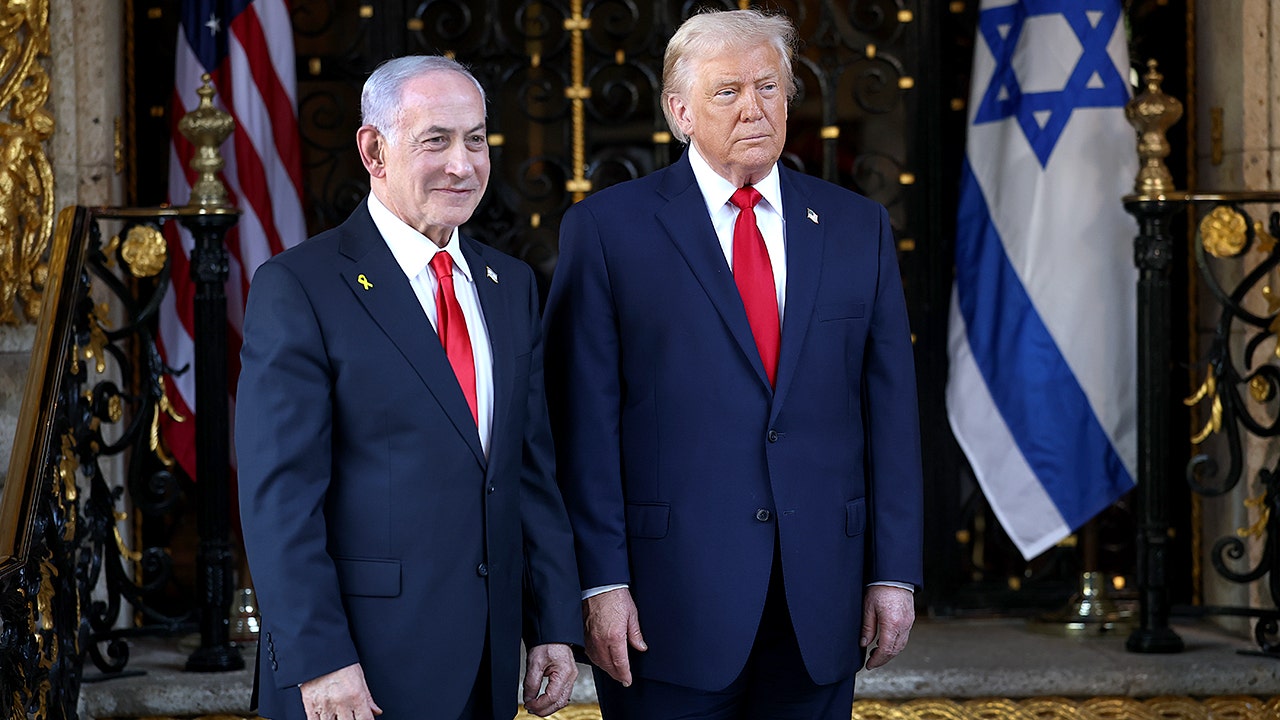
Israeli officials and analysts are detailing what any US-Iran deal must contain to block Tehran from rebuilding its military and regional influence, as President Donald Trump reports progress in negotiations.
Prime Minister Benjamin Netanyahu said Wednesday that Israel and the United States stay in full coordination. "We share common objectives, and the most important objective is the removal of the enriched material from Iran, all the enriched material, and the dismantling of Iran’s enrichment capabilities," he told reporters at the opening of a security cabinet meeting.
Trump, speaking to reporters in the Oval Office that day, said, "We’ve had very good talks over the last 24 hours, and it’s very possible that we’ll make a deal." He added that failed talks would require the US to "go a big step further."
Israel wants more than an end to the war. Officials worry a weak pact could let Iran keep key capabilities, gain economic relief and revive its network of armed groups that targeted Israel before the conflict. Jerusalem seeks assurances that future deals maintain its military options if Iran breaks terms.
Analysts identify four priorities: destroying Iran's nuclear enrichment setup, limiting ballistic missiles, stopping rebuilding of Hezbollah and Hamas, and denying Tehran political gains or relief.
On nukes, former National Security Adviser Yaakov Amidror said, "Weaponized uranium must leave Iran. The Iranians must not be allowed to enrich uranium."
Journalist Nadav Eyal said Israel pushes for long-term enrichment bans and export of enriched material, plus "an arms control agreement that would be extensive and robust."
Avner Golov, vice president of the Mind Israel think tank, told Fox News Digital that demands include removing enriched material, wrecking underground facilities—including those under construction—and barring new sites. He opposed "sunset clauses" and called for "unprecedented monitoring and supervision, anywhere, under any conditions and not dependent on Iranian approval."
Jonathan Ruhe, a fellow at the Jewish Institute for National Security of America, said the US and Israel should align on "shutting down Iran’s nuclear weapons program completely, permanently, and verifiably," beyond just handing over highly enriched uranium. That means closing remaining facilities at Pickaxe and Isfahan.
Iran's missiles rank as a top threat. Eyal said, "Israel sees this as no less of an existential threat than the nuclear issue."
Amidror warned unrestricted missiles now reaching half of Europe could hit the US in five to ten years. Golov said a nuclear-only deal would let Iran build thousands of missiles as a shield for nuclear breakout. Ruhe called for blocking missile production rebuilds damaged in the war.
Israel also fears sanctions relief funding proxies. Eyal said Jerusalem demands Iran cut ties with Lebanon and Gaza groups attacking Israel, ensuring no cash rebuilds them.
Amidror noted war losses already crippled Iran's proxy support by severing the land bridge to Syria. Still, he said a perceived US retreat in talks could strengthen those groups.
Ruhe said Israel opposes deals legitimizing Tehran or abandoning its people, including guarantees against attacks or war damage payments. For Israel, a bad deal curbs its future action against Iran and proxies.
What's Your Reaction?
 Like
0
Like
0
 Dislike
0
Dislike
0
 Love
0
Love
0
 Funny
0
Funny
0
 Wow
0
Wow
0
 Sad
0
Sad
0
 Angry
0
Angry
0









Comments (0)