

Iranian Leaders May Flee to Russia as U.S. Talks Collapse, Analyst Warns

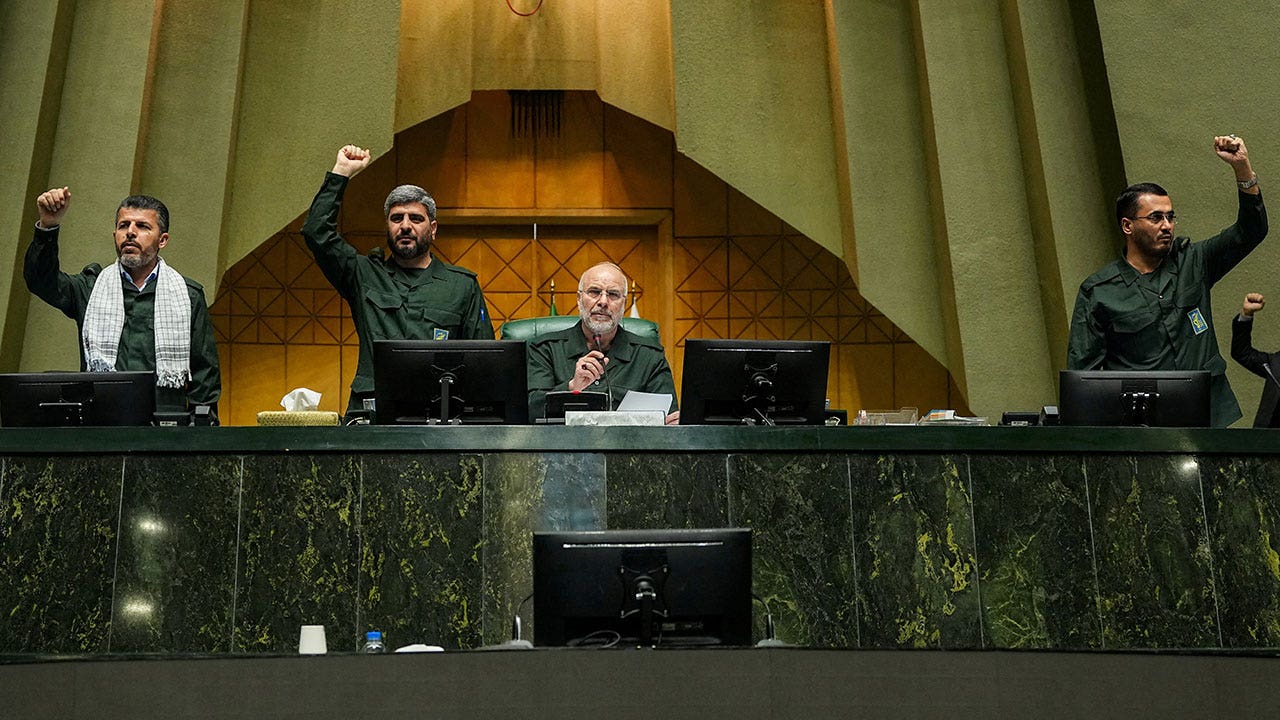
The collapse of high-stakes U.S.-Iran negotiations has heightened fears that senior Tehran leaders might flee to Russia for refuge to continue their insurgency and undermine any new regime, an analyst warns.
Israeli Prime Minister Benjamin Netanyahu told CBS' 60 Minutes that toppling Iran's regime has become a realistic possibility. He said such a collapse would dismantle the scaffolding of Tehran's global terror proxy network and could end Hezbollah's regional influence.
"The whole scaffolding of the terrorist proxy network that Iran built collapses if the regime in Iran collapses," Netanyahu said. "I think you can’t predict when that will happen. Is it possible? Yes. Is it guaranteed? No."
With diplomatic options apparently exhausted and the regime's stability in doubt, Middle East expert Saeid Golkar suggested senior figures might pursue an exit strategy like that of Syrian President Bashar al-Assad, who fled Syria in 2024.
"If the situation deteriorates further, some senior figures could potentially follow a path like Bashar al-Assad’s inner circle and seek refuge in Russia," Golkar told Fox News Digital. Golkar serves as a senior adviser at United Against Nuclear Iran.
He said destinations would vary by rank. Top commanders like Parliament Speaker Mohammad-Bagher Ghalibaf might go to Moscow, while lower-ranking officials would likely head to Iraq or Afghanistan, where the IRGC keeps operational ties.
"For the most senior figures, Russia would probably be the most likely destination, again as we saw with Bashar al-Assad," Golkar said. He noted that many officials have already shifted wealth into financial networks outside Iran.
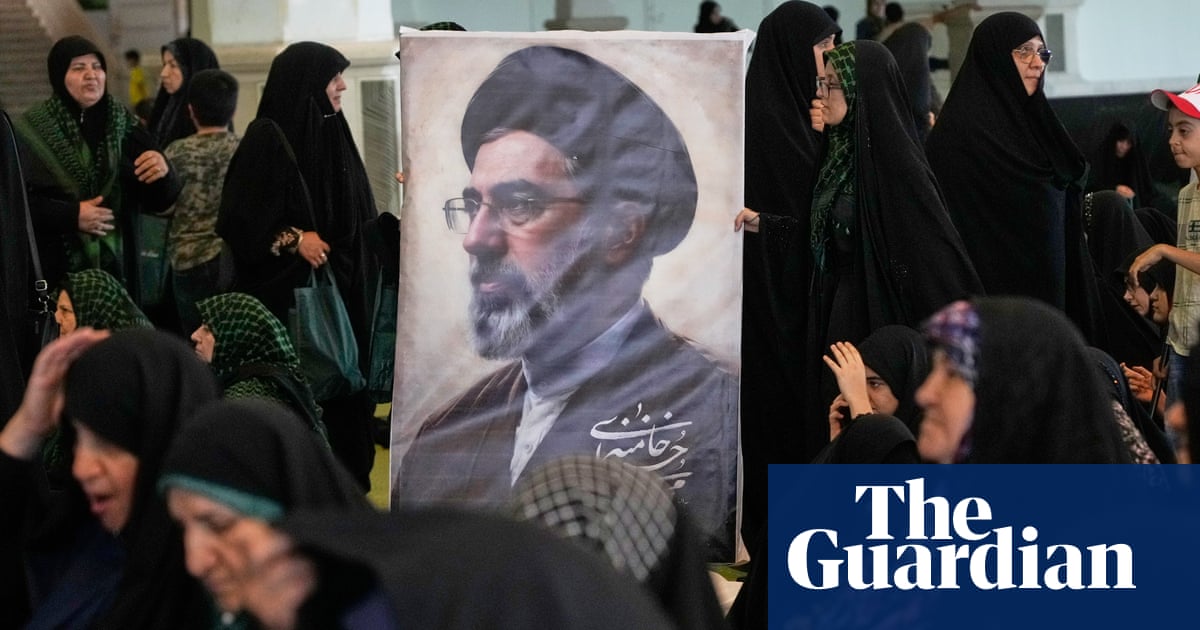
The crisis began after Ayatollah Ali Khamenei's death earlier in 2026 at the start of Operation Epic Fury. His son, Mojtaba Khamenei, was named successor, but reports say he suffered severe injuries in the strikes and has missed recent negotiations.
Golkar said the invisible state, or Bayt-e Rahbari, was built to endure decapitation strikes. Still, fleeing would carry a high ideological cost for leaders.
"Inside the regime’s ideological culture, leaving the country during the collapse would look like desertion," Golkar noted.
Military fractures are growing, and succession remains unclear. The Assad model of Russian protection looks more appealing to top figures. Golkar said Mojtaba is either dead or too badly hurt to release any video or voice message.
"If he had died from his injuries, there was no clear natural successor. He was the continuation of the regime," Golkar added.
"Still, the system was designed for continuity during a crisis," he said. The goal was to ensure the regime could survive even if formal institutions were damaged, leaders were killed, or civilian government stopped functioning.
"I would describe it as a regime designed not just to govern, but always to try and survive decapitation," Golkar said.
What's Your Reaction?
 Like
0
Like
0
 Dislike
0
Dislike
0
 Love
0
Love
0
 Funny
0
Funny
0
 Wow
0
Wow
0
 Sad
0
Sad
0
 Angry
0
Angry
0




Comments (0)