

House Republicans Call Minnesota Fraud Probe Tip of the Iceberg as More Blue States Face Scrutiny

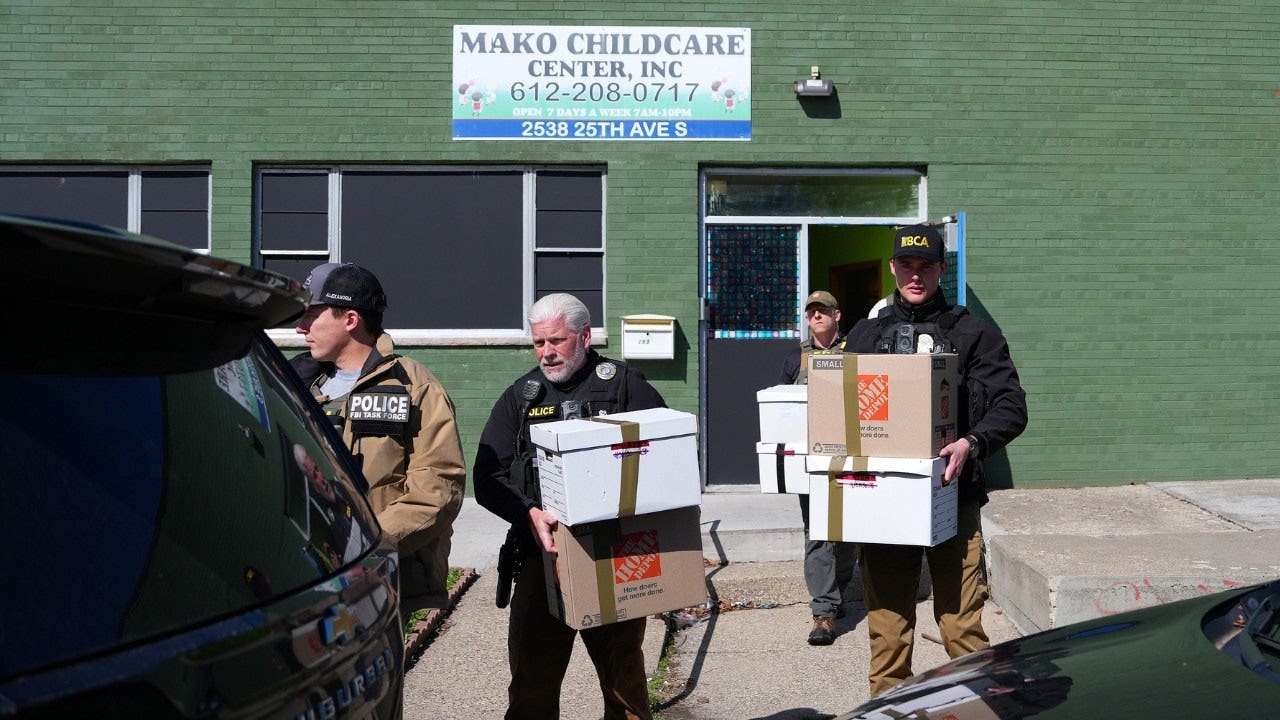
The federal investigation into fraud in Minnesota represents just the tip of the iceberg in widespread corruption across state and federal programs, according to House Republicans.
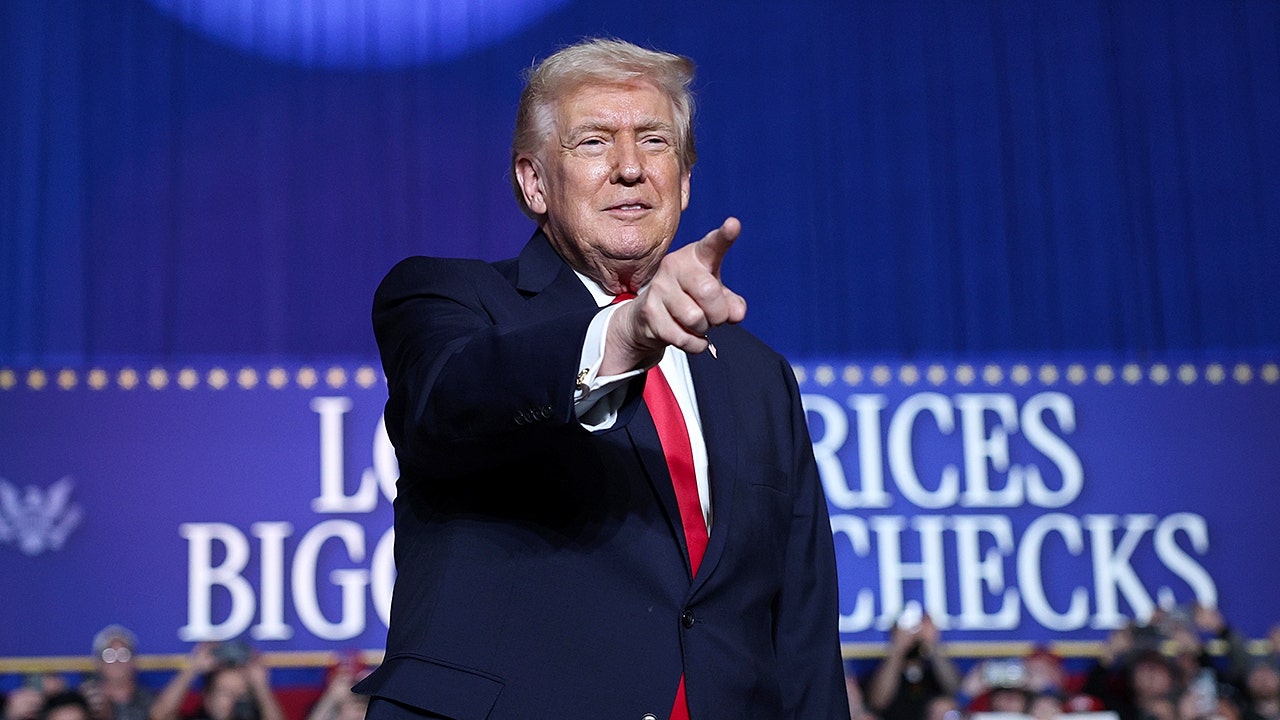
In March, President Donald Trump issued an executive order to create a task force against fraud, chaired by Vice President JD Vance. Vance will direct agencies to find vulnerabilities in their systems and prevent fraud upfront.
Gingrich 360 researchers examined corruption in Minnesota and found extensive fraud. Their paper details the findings. Feeding Our Future in Minnesota claimed to serve 125 million meals to children and submitted a fake attendance roster for 2,040 children. Only 20 matched district school records. A June 2024 review by the Minnesota Office of the Legislative Auditor showed the Department of Education ignored at least 30 complaints about the group and approved funds without verifying claims.
This case is not isolated. A February 2025 Department of Health and Human Services audit found Colorado's Medicaid program paid at least $7.3 million for deceased enrollees.
A January 2026 FCC Office of Inspector General report showed $5 million in federal funds for subsidized internet for the poor went to nearly 117,000 dead people between 2020 and 2025. Many enrolled and claimed benefits after death in multiple states the same month.
The Government Accountability Office estimates federal fraud losses at $223 billion to $521 billion yearly, based on fiscal years 2018 to 2022 data. In 2024, the Treasury Department prevented and recovered more than $4 billion in fraud and improper payments.
The Coronavirus Aid, Relief, and Economic Security Act created the Pandemic Response Accountability Committee to oversee pandemic spending. In June 2025, the committee issued a fraud alert on Social Security numbers used for relief funds from three programs.
It sampled records and asked the Social Security Administration three questions: Was the SSN valid? Did the name and date of birth match? Was the person alive? This flagged $79 billion in potential fraud with 1.4 million stolen or invalid SSNs.
The committee found more than 40,000 cases where applicants reported higher income to the Small Business Administration than to Housing and Urban Development, pointing to fraud. Better information sharing could catch such issues earlier.
The PRAC's Fraud Prevention Engine reviews 20,000 applications per second for anomalies. Tests on 5 million SBA disaster loan applications uncovered one case where 100 applicants filed 450 applications across 24 states and got $2.6 million.
Agencies should strengthen the Treasury Department's Do Not Pay Initiative, which gives free access to databases for payment checks. In fiscal year 2024, only 4% of agencies met legal requirements to use them, per the Congressional Research Service.
HUD's fiscal year 2024 audit cited database inconsistencies after a computer matching agreement with Treasury expired in 2019. HUD regained access in February 2025 but used it inconsistently. The Privacy Act of 1974 limits data access. In March 2025, President Trump issued an executive order to expand the program to more agencies and waive contract needs for four years.
Rachel Peterson is director of Research and coordinator of National Security Affairs for Gingrich 360.
What's Your Reaction?
 Like
0
Like
0
 Dislike
0
Dislike
0
 Love
0
Love
0
 Funny
0
Funny
0
 Wow
0
Wow
0
 Sad
0
Sad
0
 Angry
0
Angry
0







Comments (0)