

China Eyes Trump Visit for Taiwan Leverage in Trade, Iran Talks

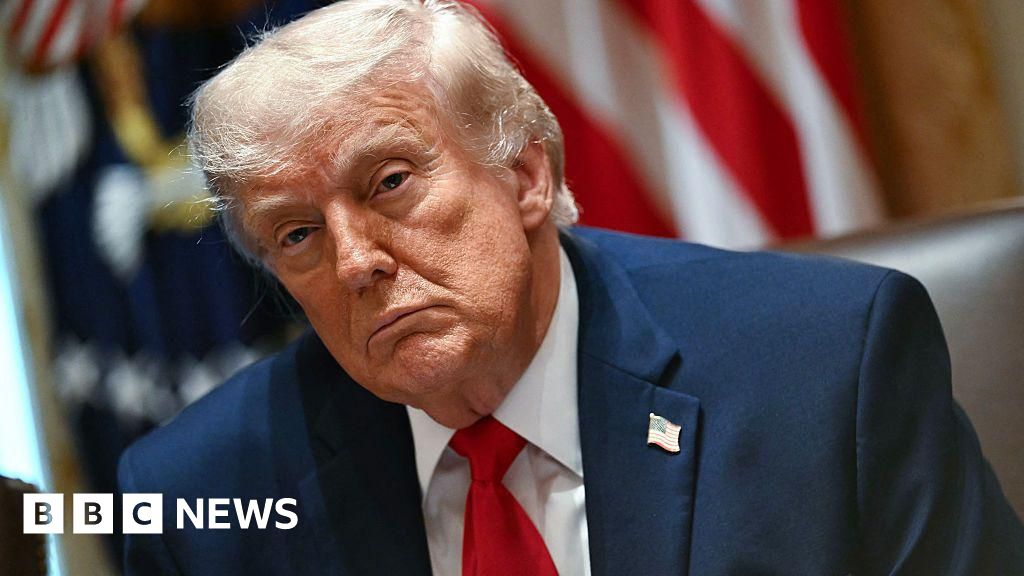
China sees an opening during Donald Trump's visit later this month. A US president focused on deals needs a trade agreement and Beijing's pressure on Iran, which could lead him to ease up on Taiwan.
China's Foreign Minister Wang Yi tied the matter directly to wider cooperation during a Thursday call with US Secretary of State Marco Rubio. Beijing would welcome Trump softening the US line, possibly halting arms sales after a $11 billion package announced late last year.
Taiwan has governed itself since China's civil war ended in 1949, free from Communist Party rule. Xi Jinping has placed unification at the heart of his legacy. Three years ago, US intelligence reported he ordered the People's Liberation Army to prepare for invasion by 2027. Beijing prefers to reach the goal without fighting.
A blockade, like the one simulated in December military drills, carries steep economic costs and risks quick escalation. China could build up military and economic strength, raise pressure, until the US avoids intervention or Taiwan sees no alternative. Beijing hopes a minor US rhetoric shift this month makes unification look inevitable, as Xi puts it, to Taiwan.
Analysts say military action remains unlikely in the next few years. Some see a brief chance: a future US president might defend Taiwan more firmly; the current administration has shifted from Asia, faces Middle East entanglements and munitions shortages; Taiwan's defense spending increase has not started. Trump defies prediction. Iran's case shows great powers act freely but face regrets. Beijing views the US as declining while its power rises, though its forces face top-level purges.
Taiwan faces a 2028 presidential election, and its two main opposition parties have allied for this year's local polls, improving China's political view. Hopes for Taiwanese support of one country, two systems died with Beijing's crackdown on Hong Kong freedoms. Intimidation has bred distrust; two-thirds of people see China as a major threat. Those identifying solely as Taiwanese rose more than threefold to 63% since 1992. A generational change is under way. Many still favor better China ties as practical.
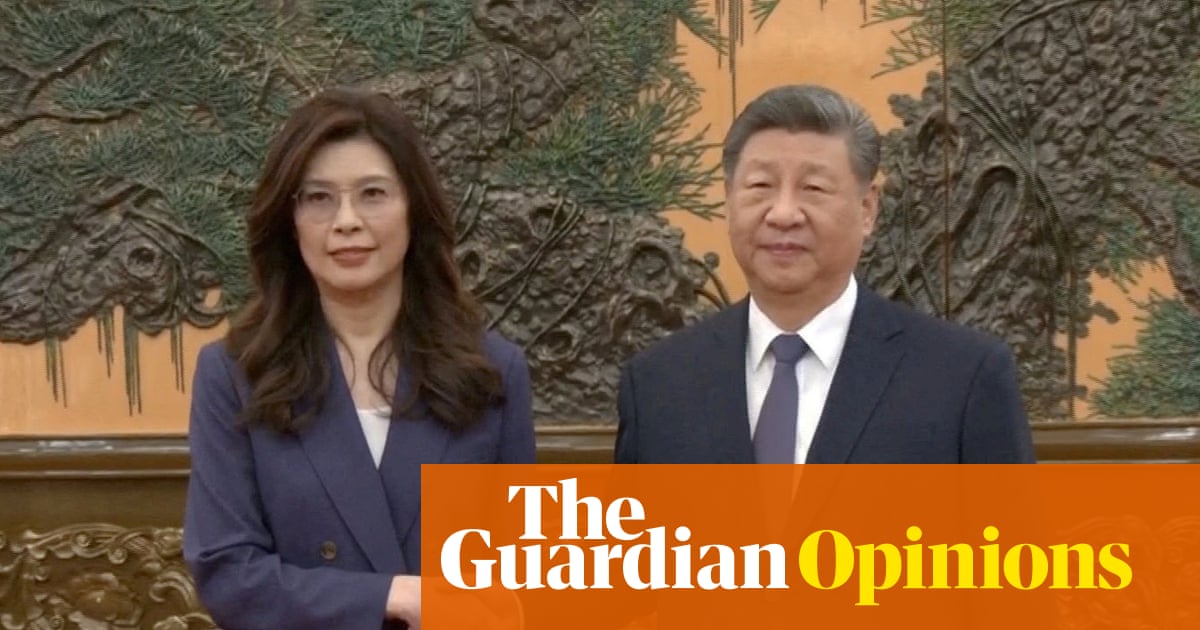
Last month, Xi met Cheng Li-wun, Kuomintang opposition leader, in the first such talks in 10 years. Her party pushes closer Beijing links and blocked a $40 billion special defense budget from the ruling Democratic Progressive Party. Beijing offers economic incentives but wields the stick more. Taiwan President Lai Ching-te visited Eswatini, one of its few diplomatic allies, this weekend. The trip had been canceled before when other states denied overflight rights.
What's Your Reaction?
 Like
0
Like
0
 Dislike
0
Dislike
0
 Love
0
Love
0
 Funny
0
Funny
0
 Wow
0
Wow
0
 Sad
0
Sad
0
 Angry
0
Angry
0




Comments (0)