

Children of Novelists Publish Books in Growing Trend

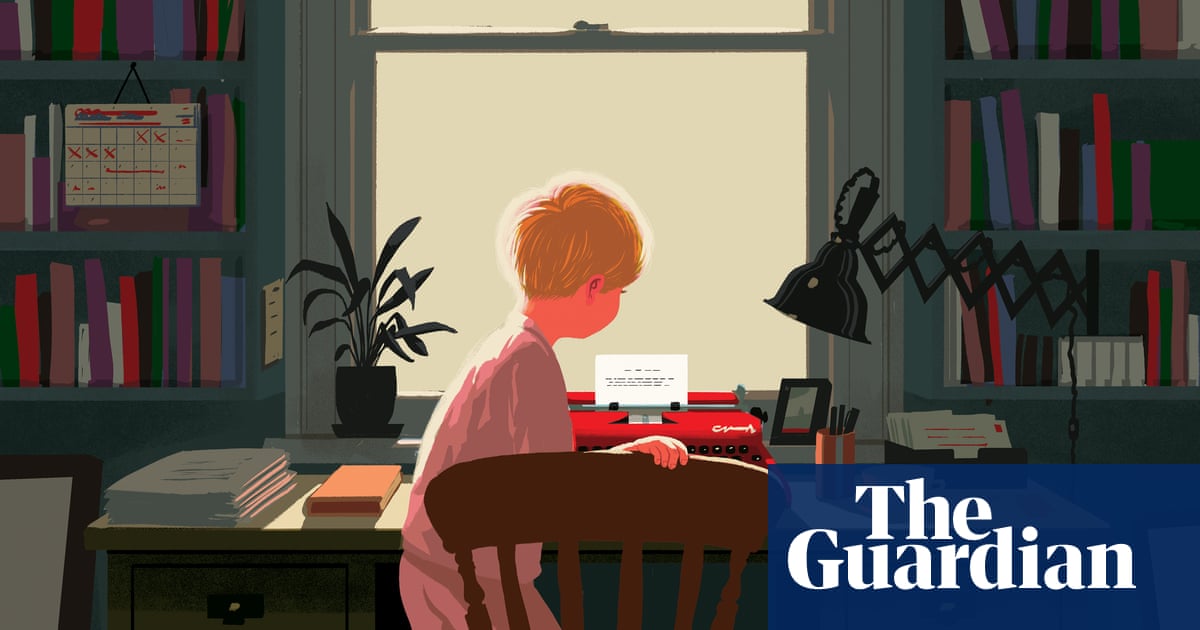
Martin Amis once called his position as a novelist alongside his father Kingsley a historical anomaly, a literary curiosity. But other father-son pairs had preceded them, including Alexandre Dumas père and fils, Fanny and Anthony Trollope, and Arthur and Evelyn Waugh.
Amis's claim looks even less accurate today. Children of novelists have increasingly become writers themselves, with a strong group this year. Naomi Ishiguro, daughter of Kazuo Ishiguro, releases the first book in her new fantasy series this month. Jess Gibson, Margaret Atwood's daughter, published her fiction debut this spring. Patrick Charnley, son of poet and novelist Helen Dunmore, drew wide acclaim for his first novel earlier this year.
Several novelists with writer children discussed the pattern. Nick Harkaway, son of John le Carré, met Martin Amis once and tried to raise the topic. "I must have pissed him off as he was running around maintaining [he and Kingsley] were unique, and then I came along and said: 'Oh, I am too,'" Harkaway said. He has published eight novels and now writes new stories with le Carré characters.
Harkaway, now 53, only recently realized his childhood was odd. His family traveled through Greece or America on holiday, and le Carré books appeared at every petrol station. Fame brought odd moments at home, like a hush when Isaiah Berlin visited.
Growing up around writers felt normal to these children. Deborah Moggach, author of Tulip Fever and These Foolish Things (filmed as The Best Exotic Marigold Hotel), had two author parents. "I think if they'd been butchers, I'd have been a butcher," she said. She learned writing was mysterious yet mundane, assuming every family did it.
Moggach's daughter Lottie has published four novels, including Mrs Pearcey in February. Lottie's mother kept writing private, with fixed hours. "Mum's writing time was very fixed and sacrosanct," Lottie said. Deborah agreed her work stayed separate from family life. She felt like a husk, her inner life with her characters.
Le Carré did not share work with children either, though he read drafts to his wife Valerie Eustace in bed. He wrote in isolation, with a rule keeping Harkaway out of his office.
A parent's writing presence still shapes expectations, even if hidden. Amanda Craig, author of 11 novels including High and Low, calls writing absolute torture that leaves her in a bad mood. Her daughter Leon Craig published the story collection Parallel Hells and novel The Decadence anyway. "Mum always said: 'Don't ask me how it's going, I'll be happy when it's done,'" Leon said. "Which maybe doesn't make it sound that attractive, but it's very much a way of life."
Harkaway said his father had a tempestuous bond with creativity, but showed finishing a book and getting paid was possible. Deborah Moggach noted her closed-door mornings made writing look easy, a problem for Lottie.
Frank Cottrell-Boyce, who writes for film, TV and children's books, enjoyed the work. When his children were young, it felt like Avalon, a wheeze to earn a living that way. His son Aidan published debut novel The End of Nightwork in 2023. Aidan said he has little tolerance for those who complain about creative tasks. "It's not slight," Frank laughed.
For these writers' children, writing felt inevitable. Aidan writes every day. Leon wrote terrible poetry young, then paused amid the western canon in college. A friend's mother scolded her: "Why aren't you writing any more? I thought you wanted to be a writer." She realized the woman was right. Amanda said, "You kind of have no choice. The only thing worse than writing is not writing."
Children often kept work secret from parents. Leon was furtive; Amanda could not read drafts until print because their opinions carried weight. "She was totally resistant to being helped," Amanda said. "I was such a helicopter parent, you could practically hear my blades whirring."
Aidan hid his writing entirely. Actor Shaun Evans told Frank about Aidan's story in Granta. Aidan found allure in the surprise.
Children seek distance to prove themselves. Some debut writers skipped interviews, wary of being seen as parental adjuncts. One established second-generation novelist called it a difficult topic.
They published without overt aid. Charnley submitted This, My Second Life under a pseudonym, accepting Dunmore's posthumous Costa prize. Foreign publishers offered deals first, unaware of his mother, boosting confidence. His agent was his mother's, and the UK publisher knew his identity.
Harkaway could not stay secret; many London publishers knew him from babyhood. He submitted under his pen name to agent Patrick Walsh, but another agent urged Walsh to read it without explaining why.
Publishers confirm the name helps but raises the bar. Canongate's Francis Bickmore said he would read a famous writer's child's manuscript but judge it harshly to check separation from the parent.
Literary families offer bonuses. Frank said if family loves something, children pick it up but must find their voice. Lottie said it makes writing seem possible, not a closed shop. Deborah agreed they started with advantages like her father's Daily Telegraph connection for her first review.
Lottie knew her name helped get Kiss Me First read; Deborah suggested the title. But the book differed enough from her mother's to stand alone.
Francis Bickmore noted children sometimes take over brands like Dick Francis racing thrillers, but literary writing demands distinct style.
People assume nepotism, Amanda Craig said. Showbiz has nepo babies, but writing needs individual talent. Leon still faces rejections for stories.
Connections emerge post-publication. Charnley welcomed a Telegraph review headlined something like 'Helen Dunmore’s magic lives on.' Harkaway endured early articles mentioning his father but saw advantages outweigh it. As work grows, focus shifts.
Martin Amis admitted publishers took his first book from curiosity, but quality sustains careers. Bickmore hopes merit wins, with name aiding marketing for strong books.
Why more now? Bickmore said publishing has opened slightly, making it feel accessible.
Is talent heritable? Frank and Aidan reject mysticism; constant books and stories shaped them. Harkaway said story-filled homes teach tricks.
Lottie did not inherit Deborah's work ethic; she is more distracted. Deborah noted Kingsley Amis envied Martin, writing to Philip Larkin in 1979: "Did I tell you Martin is spending a year abroad as a TAX EXILE? … Little shit. 29, he is."
Parents should want children to surpass them, Deborah said. Charnley summed it up: "I don’t know whether it’s genetic, or just witnessing the process, seeing that it’s something that can be done. All I know is that my mother was a writer, and now I’m a writer."
What's Your Reaction?
 Like
0
Like
0
 Dislike
0
Dislike
0
 Love
0
Love
0
 Funny
0
Funny
0
 Wow
0
Wow
0
 Sad
0
Sad
0
 Angry
0
Angry
0







Comments (0)