

Starmer says he has duty to stay as PM amid defence spending row

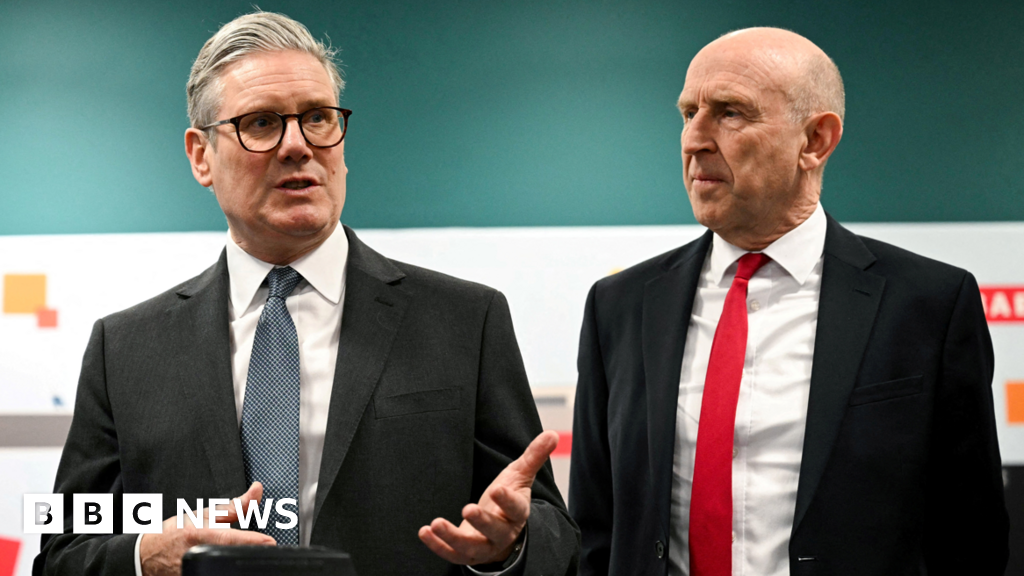
Sir Keir Starmer told the BBC he has a duty to stay on as prime minister and will fight any leadership challenge.
Speaking the day after two of his defence ministers quit over funding, Sir Keir said he had made hard-edged choices, including requiring every department to make cuts to pay for defence.
In a veiled warning to potential leadership challengers in his own party, he said whoever is prime minister will face the same prevailing winds.
Asked if he wanted to lead Labour into the next election, he said that was what he wanted to do, but acknowledged he needed to turn things around.
He said he did not want to plunge the country into the chaos of a leadership election but added that if it does happen, he will fight.
Let me be clear that this is not about personal vanity, it is not about stubbornness, it is about a very deep sense of duty, he said.
He added that he had a very sound platform and that his government had stabilised the economy, increased defence spending and invested in public services.
In his resignation letter, Defence Secretary John Healey accused the prime minister of being unable to commit to the spending needed to keep the country safe.
Sir Keir said he was grateful to Healey for his work but rejected his analysis, arguing that defence spending was his number one priority and would continue to be so at future spending reviews.
He pointed to cuts to overseas aid as evidence that he was able to make difficult decisions to increase spending on defence.
Asked if he would be willing to reduce spending on welfare to pay for a further boost, Sir Keir said the government was making changes to help people into work and said that would free up resources.
On Friday evening, it was announced that Louise Sandher-Jones has been made armed forces minister, taking over from Al Carns, who resigned on Thursday.
The new veterans minister is Calvin Bailey, while Angela Eagle is now a security minister, taking over from Dan Jarvis after he replaced Healey as defence secretary.
The plan, which sets out how new military equipment and infrastructure will be paid for over the next decade, was due last autumn but has been repeatedly delayed.
Healey suggested that the current defence investment plan proposed increasing defence spending to 2.68% of national income by 2030. He argued that the UK should be hitting 3% by that date.
The prime minister said the government had put considerable money into defence already, and that the DIP outlines further money on top of that.
This has to be seen in the context of the commitment I have made to get to 3% in the next Parliament, he said.
He added that defence will be the number one priority at every spending review, including the next spending review.
Sir Keir also insisted that, despite the resignations of Healey and his Armed Forces Minister Al Carns, he remained committed to publishing the plan ahead of a Nato summit in early July.
The prime minister has been facing leadership questions for more than a year, with pressure intensifying following his party's poor results at elections in May and now the resignation of Healey, previously one of Labour's most consistently loyal ministers.
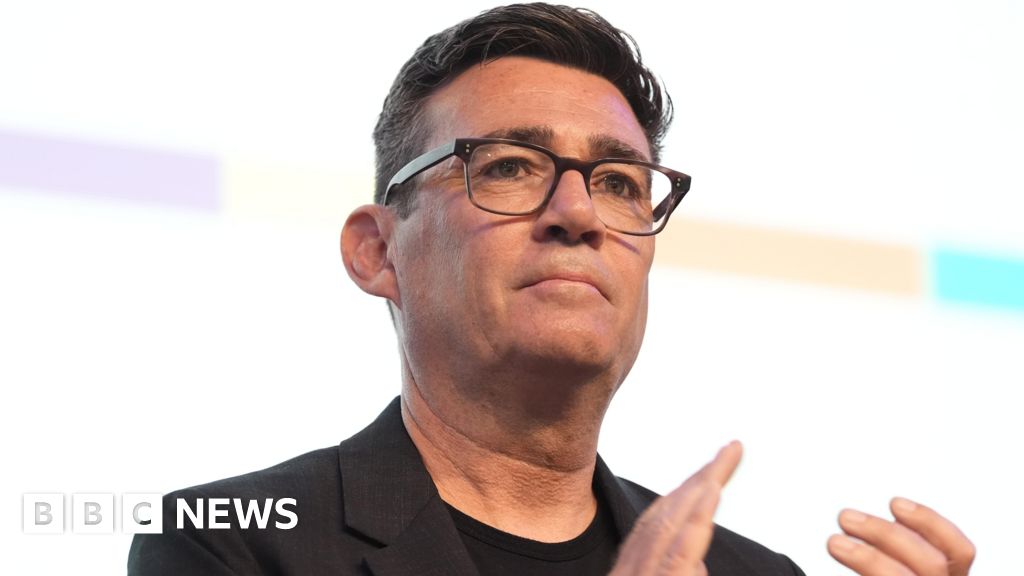
A leadership contest has not yet been triggered, however Greater Manchester Mayor Andy Burnham is expected to launch a challenge if he wins the Makerfield by-election next week.
Sir Keir did not mention Burnham or other potential leadership rivals by name, but said that on questions about spending, for every answer that is being suggested, the question has to be when you are in government, which is about trade-offs, what is it then that you would not do.
Because easy answers are by their nature easy. Decisions in government involve trade-offs, so they always have to come with that second question, well, if you are going to do that, what is it you would not do, he said.
Former Health Secretary Wes Streeting, who has said he would enter a leadership race, wrote in a post on X that the failure to make the right choices on the defence investment plan is just a symptom of the indecision at the heart of this government.
Case in point: The prime minister just said defence is a number one priority. Growth was meant to be the number one priority, is it still, he wrote.
What's Your Reaction?
 Like
0
Like
0
 Dislike
0
Dislike
0
 Love
0
Love
0
 Funny
0
Funny
0
 Wow
0
Wow
0
 Sad
0
Sad
0
 Angry
0
Angry
0

Comments (0)