

Trump allies face calls for public shaming after pardons and promotions

Greg Bovino, the former Border Patrol commander, drew attention at a remigration summit in Portugal where he posed for selfies with Austrian activist Martin Sellner. Bovino told Sellner they had never met in person until the day before but found themselves aligned at once.
Tina Peters, the former Colorado elections clerk whose sentence was commuted by Governor Jared Polis, appeared on Steve Bannon's show to claim Democrats will cheat in the midterms. The writer notes that few officials removed from office show remorse and that some instead profit from past actions and current claims of fraud.
These appearances occur after President Trump pardoned participants in the January 6 Capitol attack, including those convicted of violence. The writer argues that if Democrats do not pursue accountability through official channels, citizens may need to organize nonviolent public protests modeled on practices used in Argentina after its dictatorship.
In Argentina, military pressure led to broad amnesties that allowed many officials responsible for abuses to live openly. Citizens later responded with escraches, public demonstrations held outside the homes of those accused of atrocities. Participants used signs, red paint, music and noise but avoided violence. Similar protests, known historically as charivari or rough music, involved banging pots and pans to shame officials or neighbors seen as violating community standards.
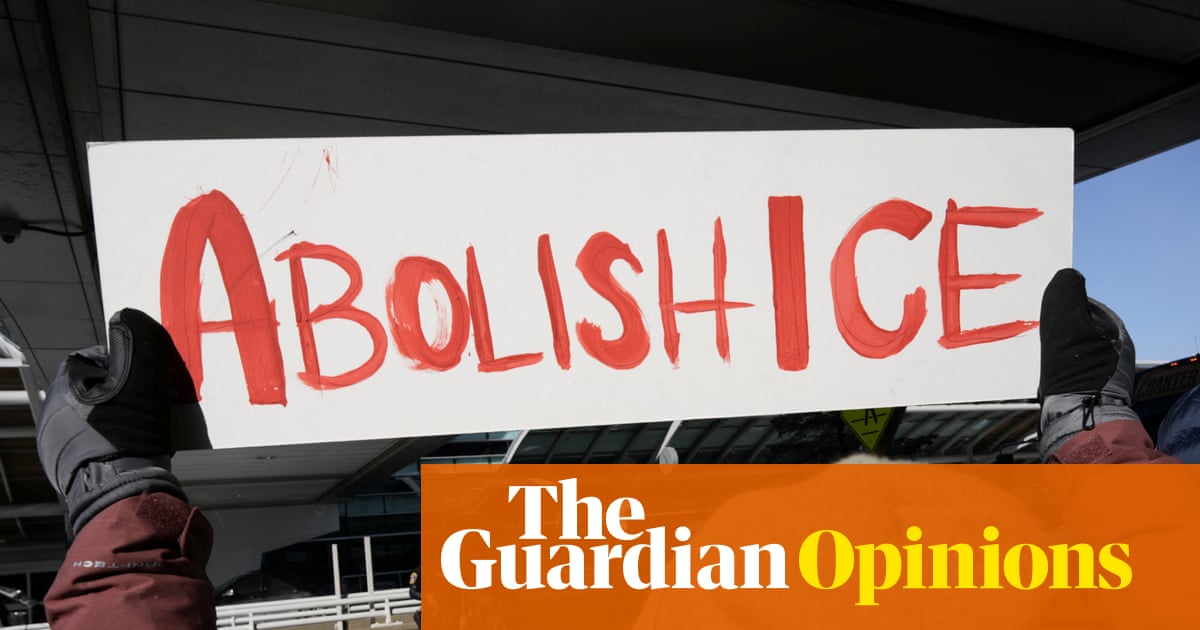
The writer warns that such actions carry risks. Uncontrolled protests could turn into harassment, invite retaliation, or give authorities a reason to expand crackdowns. Federal and state measures already target doxing and certain forms of protest, and officials have used broad labels such as antifa to justify enforcement.
Recent court rulings, including the dismissal of charges against activists known as the Broadview Six, have favored some protesters. The writer says the administration's approach to dissent often depends on the decisions of mid-level officials and the president rather than on specific conduct.
The piece concludes that demonstrations modeled on escraches, if announced in advance and kept nonviolent, would likely fall under First Amendment protections for speech and assembly. It states that public pressure may be an appropriate response when officials face no formal consequences for their actions.
What's Your Reaction?
 Like
0
Like
0
 Dislike
0
Dislike
0
 Love
0
Love
0
 Funny
0
Funny
0
 Wow
0
Wow
0
 Sad
0
Sad
0
 Angry
0
Angry
0


Comments (0)